Deflated tyre exploded due to damage or have I missed something 
Following their deployments, the couple decided to take a vacation to Scotland. During the trip, their BMW Z3, a small two-seater, started running a bit rough, according to mishap investigators. When they pulled over, they noticed a bulge in one of the tires and changed it. However, the damaged tire, which was bigger than the small, temporary spare, would not fit in the car’s trunk, even after the couple emptied it and took out the liner. So Jenna, who sat in the passenger seat, carried the damaged tire on her lap while they headed to the nearest garage that could be of assistance some 100 miles away.
When they pulled up to the garage, however, the tire exploded in Jenna’s lap, causing severe wounds to her head, neck and back, as well as other internal injuries, investigators said. The blast blew out the car’s windows and roof. Miraculously, Scott, who was sitting beside his wife in the driver’s seat, suffered only minor injuries from the glass.
Jenna, a Buffalo, N.Y., native, held on for five days, but finally succumbed to her wounds.
3 Likes
Wow that is shocking, makes me even more glad I have my boot rack permanenty fitted for all eventualities. I guess the take away from this tradgedy is always fully deflatate a tyre with a bulge in it, if possible take the valve out and leave it out.
1 Like
That was the incident. It was upsetting and sad so I didn’t want to post the report. I guess there are dangers everywhere.
1 Like
Apparently, rotating the wheel helps the goo fill the hole, which is easier to do with the car on a jack. NDs don’t come with a jack (‘Gram Strategy’ aka penny pinching!) My first ‘mod’ was to buy a second hand jack and a couple of cans of Tyeweld.
Ive got the tyre weld but also keep the tyre pump in the car too. I’m hoping that negates carrying the jack about.
The MX pump I keep for best and just carry a cheapo from Halfords ( Lidl currently offer one for £12 too)
Rotating the wheel sounds convincing but I’m thinking a pressurised aerosol will do the job.
1 Like
Just noticed the exploding tyre post. How does the husband get over that? It’s like life has taken you out personally to destroy all you expect.
Jack allows rotation to put the puncture at the bottom of the wheel, where the goop will drop to, hopefully.
Once sealed, then rotate the wheel while goop still soggy inside it, this simply to find a modicum of balance!
Also, the aerosol might run out of the puncture while the tyre is still flat if the goop doesn’t find and plug that exit quickly. Keep that lightweight Mazda inflator, just in case.
My kit also includes a soft yellow Chinagraph pencil to draw a circle around the hole before pulling out the offending nail/screw/etc. It makes the sticky-strings plug repair so much easier.
Yer a belt & braces man for sure! My last puncture was a galvanised roofing tack picked up, fortunately, 30 yds from a garage. I’m sure it winked at me, the bast@rd 
2 Likes
I suppose like any tragic loss. A few months earlier, her convoy had come under IED attack. A couple both in uniform and on active service might be quite stoic.
Excuse my ignorance…but…
If the car is jacked up, and you have “gunked” the flat tyre on a (rear) How are you going to rotate the wheel to spread the gunk if it has a limited split dif
f?
Just turn the wheel.
The key words are “limited slip”, not “locked”.

1 Like
I’ve just checked the instructions on my can of TyreWeld. Basically you dump its contents in the deflated tyre then ‘drive immediately’
So, yes, the tyre needs to be rotated but it doesn’t need the jack. Maximum speed is 50 mph. So a swift rotation is needed for best results.
This morning I’ve safely disposed of an unused tin of Lyle’s Golden Syrup.
SWMBO found it lurking at the back of a top shelf in one of our kitchen wall-cupboards.
The tin itself was neither bulging, nor rusty, nor leaking, it actually looked almost new apart from the 11:5:2003 date on its base . I can believe that date after having opened it to see the horrible, lethally-black crunchy-hard gunge inside.
2 Likes
I consider myself indolent but that beats anything I can muster. Respect ….
I believe stuff like that left in the Antarctic for often 80 years can be edible. Minus 50 degrees gives you best before dates Tescos would die for.
2 Likes
Around twenty cough years ago, I was issued with a first field dressing in a pouch, which we were obliged to carry. Some years later, I opened the pouch out of curiosity - and found the dressing was date stamped 1941!
Good job I never needed to use it ‘in anger’!
2 Likes
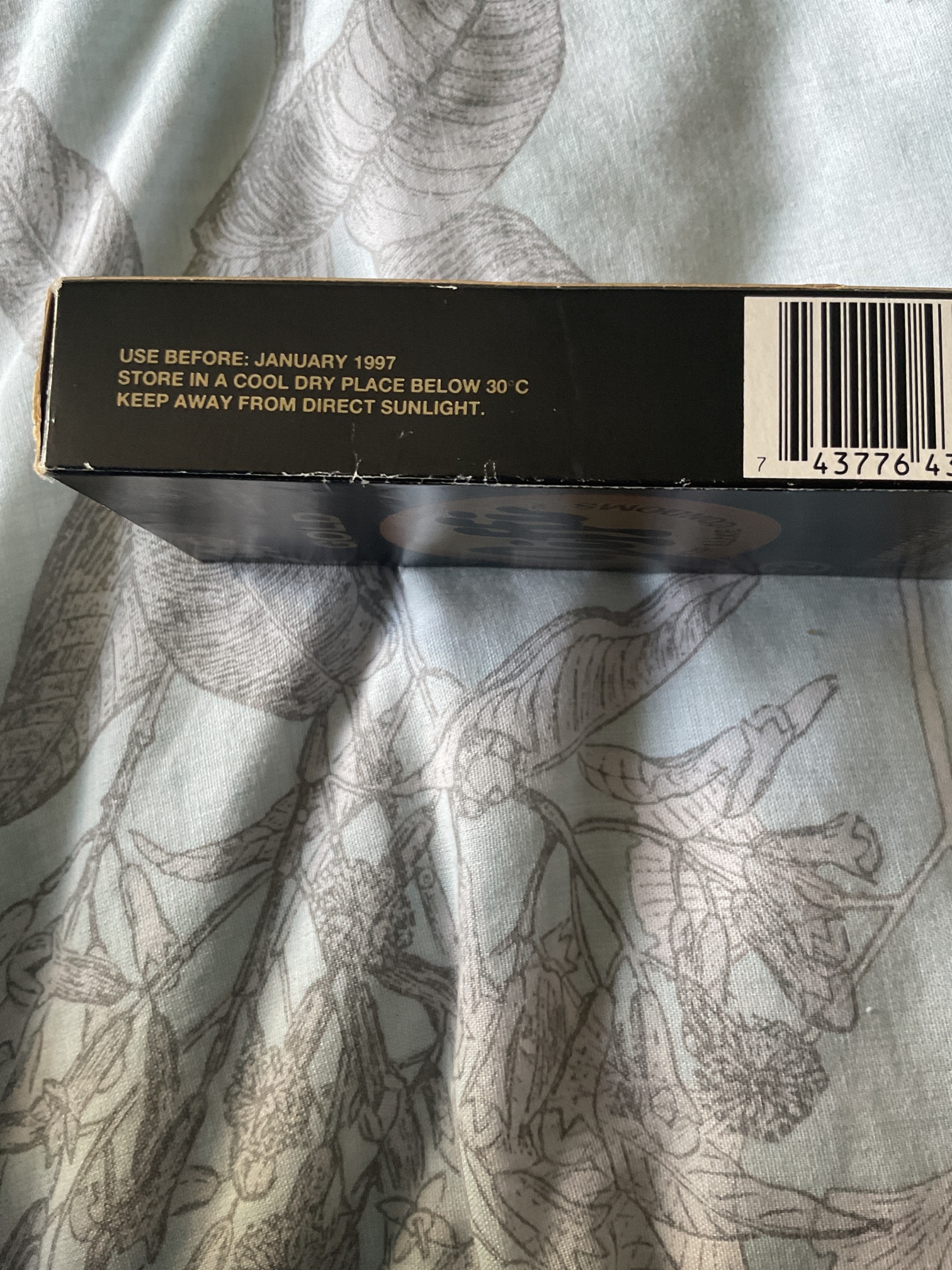
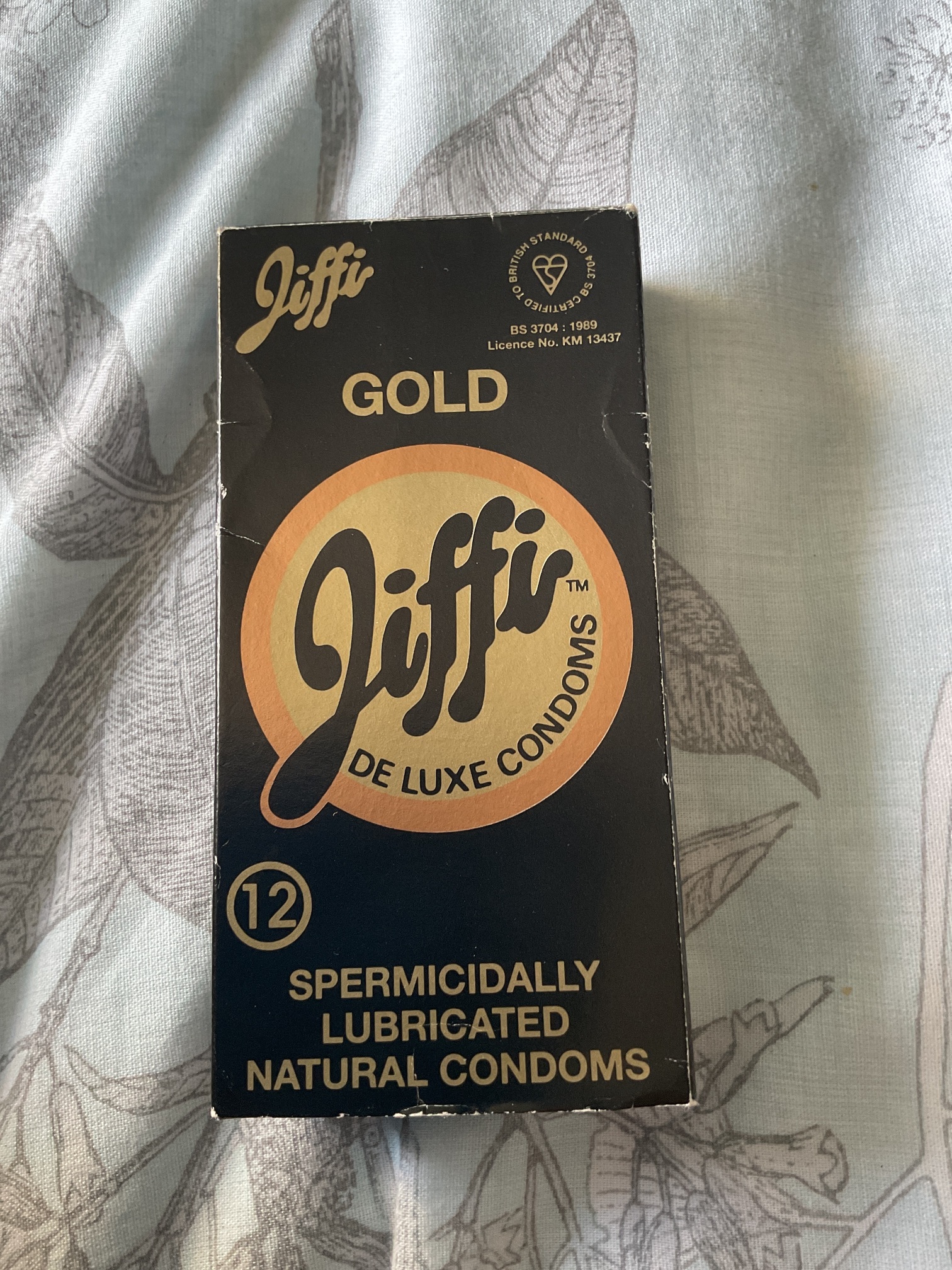
Great find! It’s many decades since I sneaked into pub toilets to score a packet of three.
I see these were ‘ natural’. I suspect now they have to be ‘organic’?
Love the name too. Can be put on in a jiffy or just slang for a ‘quicky’
Anyways, with rubber and expansion we are still on topic, but probably exhausted now.
1 Like
so how are you supposed to tow the car or even winch it onto a trailer if these are only to be used as tie down eyes? I am sure I have seen race/sprint/track cars with the “tie down” eyes installed (with red lanyards attached) to enable them to be towed/winched of a circuit following where the car could not recover itself.
Well you tow a car on a dolly.
If you are having to get the car on a lowloader, then you aren’t really towing the car, but repositioning it at your own risk.
Yes, race cars will have a Chinesium bracket with a bit of webbing. If you have an off on the track, no one is too worried about the bracket bending and damaging your bumper. I had a S-Limited that cam with a “racer” style towhook, strictly novelty value only, as it bent when I put a foot against it.
The towing eyes/tiedowns don’t even come with US NDs anymore. I think its part of the jack kit, which is no longer supplied.
Back in the day, it was de rigour to remove the NA tiedowns, because they were usually rusty lumps of metal. I got caught out with a snapped cambelt on the M25. AA used the wishbones to get the car from the hard shoulder to a more calm exit 50 yards away.
1 Like