Memories of M2 Incorporated

On the third floor of M2 Building, tucked away in the corner was the M2 Library, “Mulsanne.”

Here, one could purchase imported automobile literature and accessories such as Ayrton Senna’s helmet.

At the time, there were not many book shops in Tokyo that sold imported automobile literature and

Lindberg (still in operation) was perhaps the only one, located just 5km away from M2.


I am not fully confident if this service continued until M2 had closed down but I vaguely remember that it closed down shortly before M2’s closure. 

While re-reading through various issues of M2 Voice, I realised that the development of M2 1020 (FD3S based M2 model, to be mentioned later!)

had already begun in 1992, as stated in the M2 Information (no image). At the M2 Laboratory (basement floor), there was an event in which 

an RX-7 (FD) was dismantled by M2 staffs.


I tried to find an image of the M2 Laboratory but the only one I could find apart from the small image from the M2 1001 Owners Event was 

the original catalogue of M2 1028, which I have posted here. 


For myself, the M2 Laboratory is quite a memorable place where I worked with an M2 employee to convert my M2 1001 from Injection to twin Webers (40DCOE).

During the 25 years of owning my M2 1001, I drove a large portion of those years with twin Webers which was great fun against the stock injections. 


M2 Laboratory


I am quite sure that some of you may wonder what the difference between a stock NA 1.6 motor and an M2 1001 motor may be.

Especially because the latter offers a mere 10 ps more than the NA 1.6 motor. 


Upon release of Eunos Roadster in Japan, there were voices from users asking for more power (Japan version had 120 ps).

Thanks to the superbly designed suspension system, the chassis was capable of accomodating more power.

One important point to understand is that Mazda did not have an inline 4 cylinder motor that could be used for an FR vehicle at the time.

Hence, the B6 motor mounted in a Familia (FF) was re-engineered so that it could be mated with an FR layout. 


Here are some of the the objectives upon developing the M2 1001 motor.


  1. Enable the engine to realise efficient combustion

The first thing Mazda engineer did was to employ a new piston with higher compression (9.4 → 10.67) and reduced surface area of the combustion chamber.

Furthermore, the piston clearance (play) was enlarged (0.045mm → 0.070mm) to prevent cooling and friction losses.


The image here is a set of M2 1001 piston.

For those of you familiar with stock NA 1.6 piston which has a bent roof construction, you will realize that the piston top is flat with valve recesses only.


Pistion

  1. Feed more fuel to the engine

The next thing M2 engineer did was to employ hotter cams. 

The M2 1001 cams had more lift (7.8mm → 8.5mm) and the duration was extended, as follows:

IN:  236 → 256 

EX:  248→ 256

The cylinder head’s exhaust and the intake ports were polished at the factory and the exhaust manifold was tailor made

(4 → 2 → 1), along with the exhaust muffler having reduced exhaust pressure, both manufactured by HKS.

(The plate on the right side of the silencer is the HKS emblem)


Sadly, this exhaust was made of steel against most HKS exhaust which were made with stainless steel.

This is the reason why most M2 1001 currently have a different muffler as both places where the pipes were welded 

were prone to rusting and replacement parts are NLA from Mazda since many years now. 


M2 1001 exhaust 

  1. Optimize ignition timing

The ECU employed in an M2 1001 was also tailor made to allow maximum torque output at various rev ranges via optimized ignition timing and air/fuel mixture.

In conjunction with modified engine parts and exhaust system, the engine delivered 2kgm of increased torque between 2000 - 4000 RPM and 1kgm between 5000 - 7000 RPM.


Due to above mentioned modification, the difference between a stock NA 1.6 and M2 1001 was readily recognizable.


Performance enhancement of M2 1001 did not end here.

To provide better cooling, the radiator was enlarged and the fan was modified with higher airflow volume.

Enhanced cooling was not only for the engine and in fact, a cooling duct that delivers air to the rear differential was employed.

The reason was because M2 1001 had a 2 way LSD mounted (stock NA had Torsen IIRC) and for those of you not familiar with a 2 way LSD, the difference against a 1.5 way diff

is that the diff operates at bends with throttle off, providing better traction of the rear tires.


Also noteworthy is that the tires on M2 1001 were also tailor made by Dunlop Japan. 

They were based on Dunlop D40 M2, but with a suffix “CB01” (CB stands for Club Man, IIRC) with different compounds used for higher traction. 


Thniking back in time, I was once again surprised by how much effort and money was invested in developing M2 1001!


Below is an image of the HKS 4-2-1 manifold. 

Note that this is made of chrome plated steel. 

EX Manifold


Some of those details I knew already, but others are new. Thanks. Standard NA6CE Roadster used a 4.300 viscous LSD. 1001s used a Kaaz Corporation clutch-type diff.

This M2-1001 is now part of the Miataland collection:

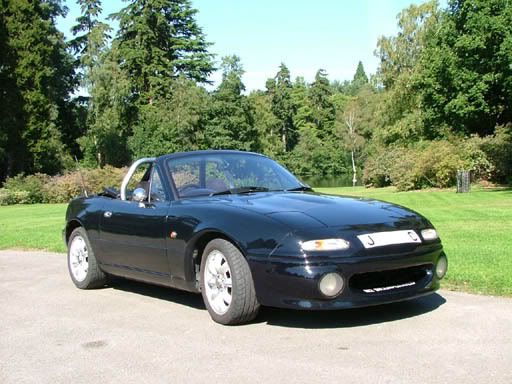
My, unrestored, M2-1002 alongside my S-Special II back in 2007. At the time, my S-Special had a Garage Hundred One front bumper.

This M2-1001 is still in the UK, someplace. It has been extensively repaired

Hello saz9961


Thank you for sharing the images of your cars!


If your M2 1001 had a Kaaz Corp. rear diff, I’m afraid it had been modified at some point.

Originally, M2 1001 was equipped with a Mazdaspeed 2 Way mechanichal differential. 


It seems like you sold both your 1001 and 1002 to Miataland!


BTW, there is one M2 1002 currently on sale in Japan. 


If I may ask, why did you decide to part from two of your gems??

No, I was offered the 1001 for £5k in 2011, turned it down (it was bad timing). It had been stored for over 5 years, and needed recommissioning. I passed on the offer to someone else, as I wasn’t in the mood at the time for another project.

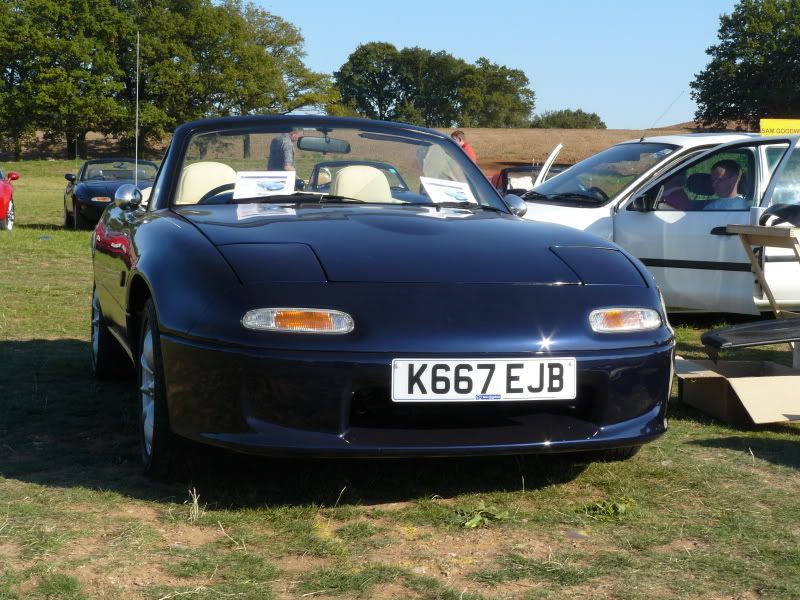
The 1002 was brought as a restoration project, but when I started tearing it down, it became apparent is had been in a bad wreck in Japan, cheaply repaired, and beyond my abilities and budget (front corner impact, inner wing seperating from the chassis leg, distorted front crossmember, warped bonnet, a lot of body filler in the wing). It had been imported in 1998, and the UK owner used it for most of the years as farm transport (!)before relocating it to London, where it took a further beating Sam Goodwin acquired the car off me and gave it a full restoration (cost him £7k in costs, sold the car for £6k, Miataland got it for £3k). I got as far as making it roadworthy again (tig welding the leaking Panasports, new brakes, get the bodywork presentable).

It’s not the first time poor condition cars end up in the UK; there was a Tokyo Limited owned by a member here. We managed to trace it back to the Roadster club in Japan it was a member of (identifiable because of the bespoke dials fitted). The head of the club was shocked to learn the car still existed, as last time he saw it, it had been in a wreck that by all accounts the owner was lucky to walk away from. The only M2s to have made it here have come accidently; low grade cars at auction overlooked by Japanese buyers. Generally, the importers had no idea what they were bringing over. This importer in Southampton was under the impression he had brought an ordinary V-Special… (rather than the Tokyo Limited it actually was)
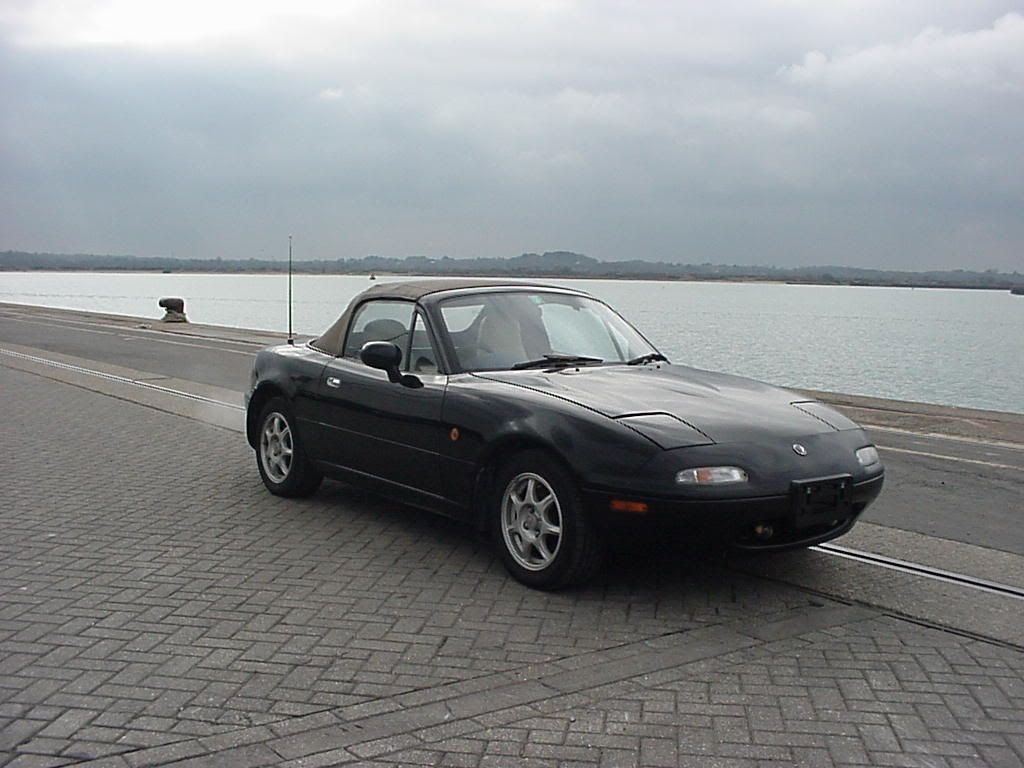
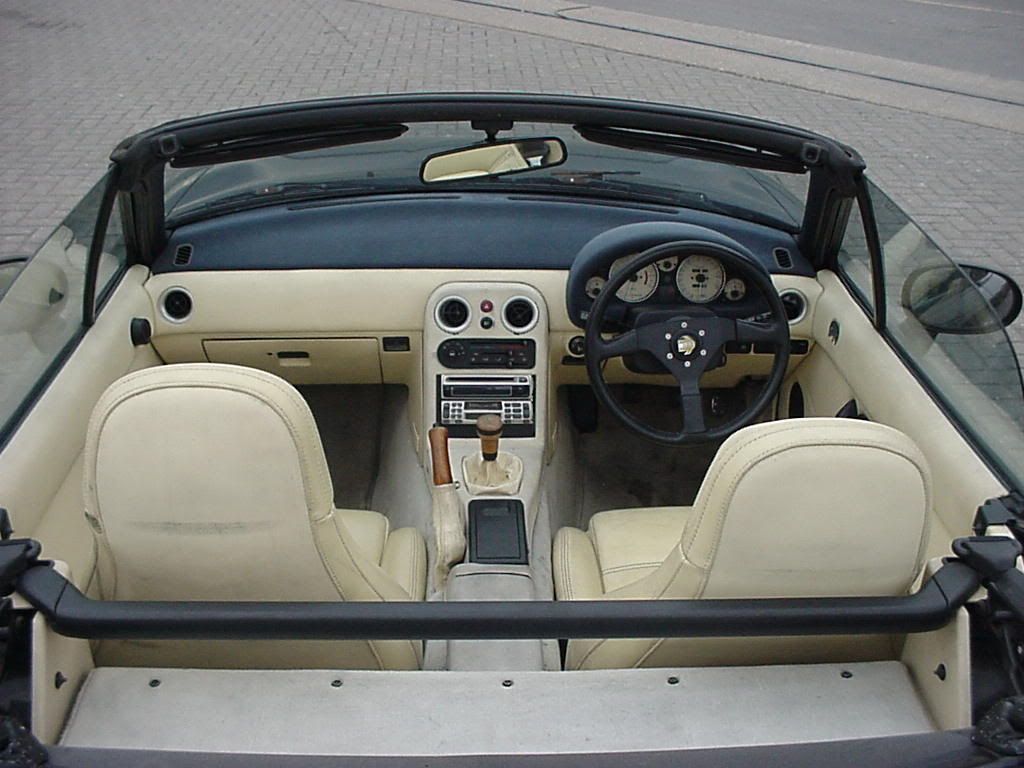
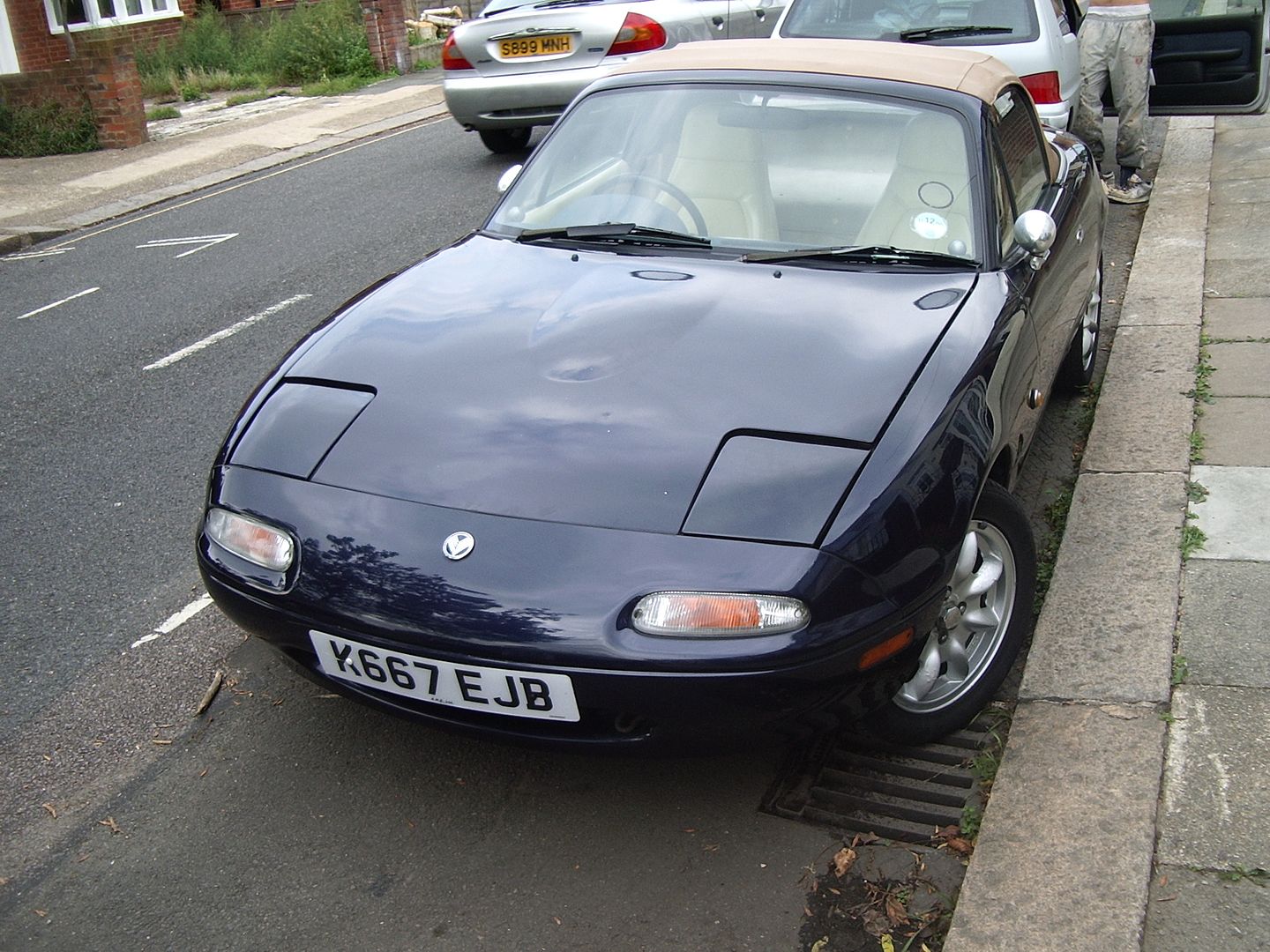
1002 as originally purchased. Headlight lid aside, didn’t look too bad
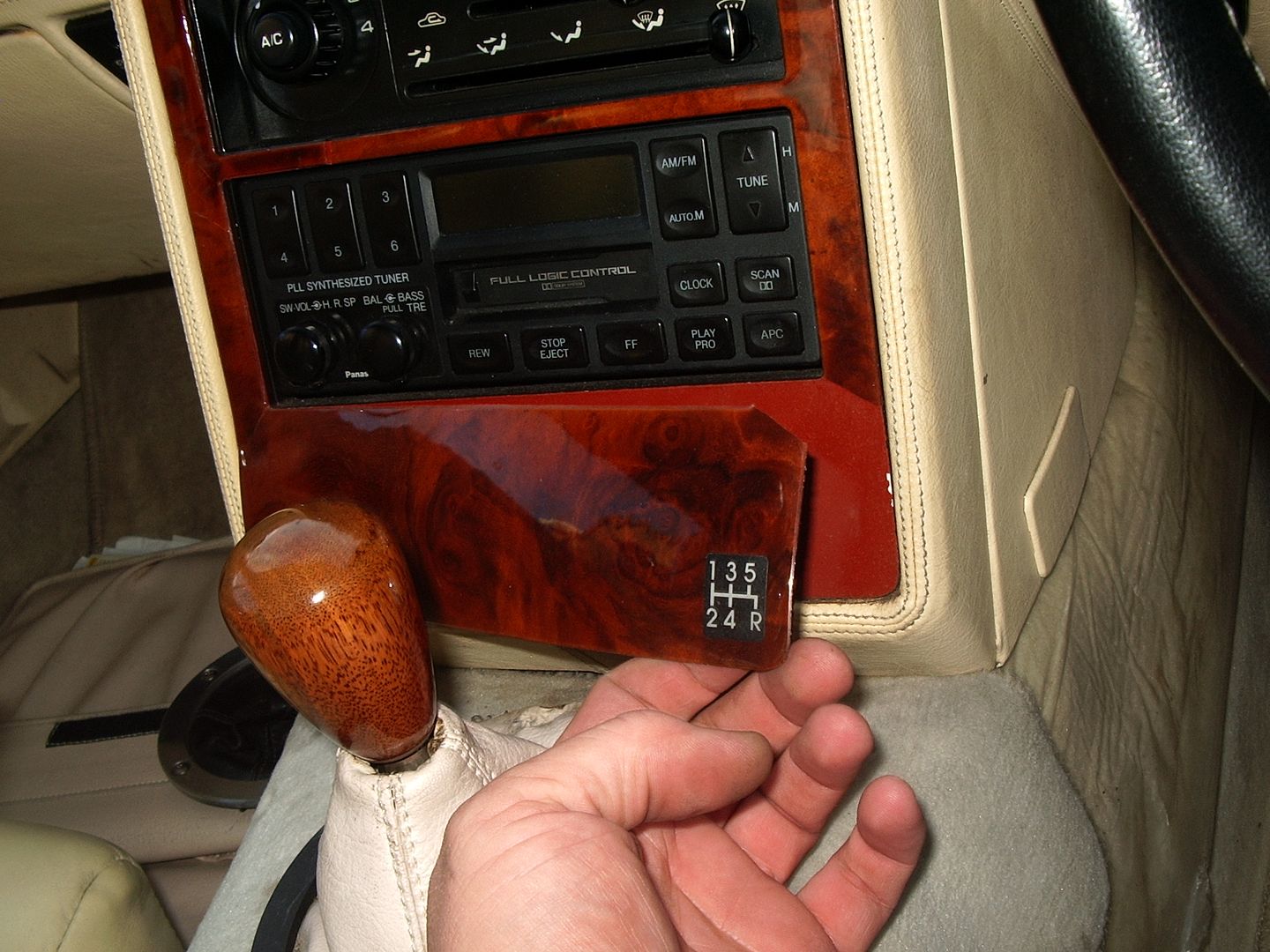
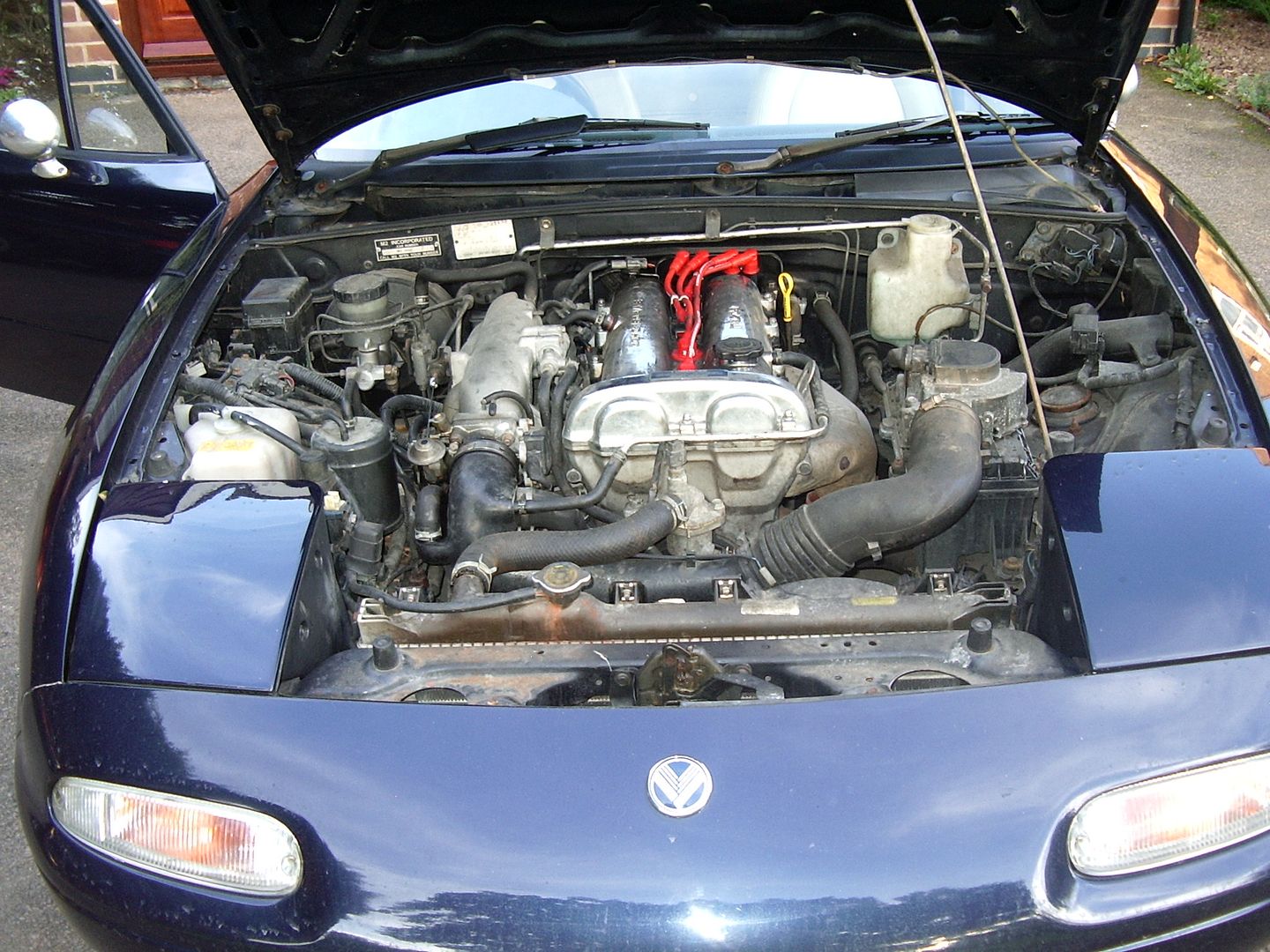
Uncovering the damage
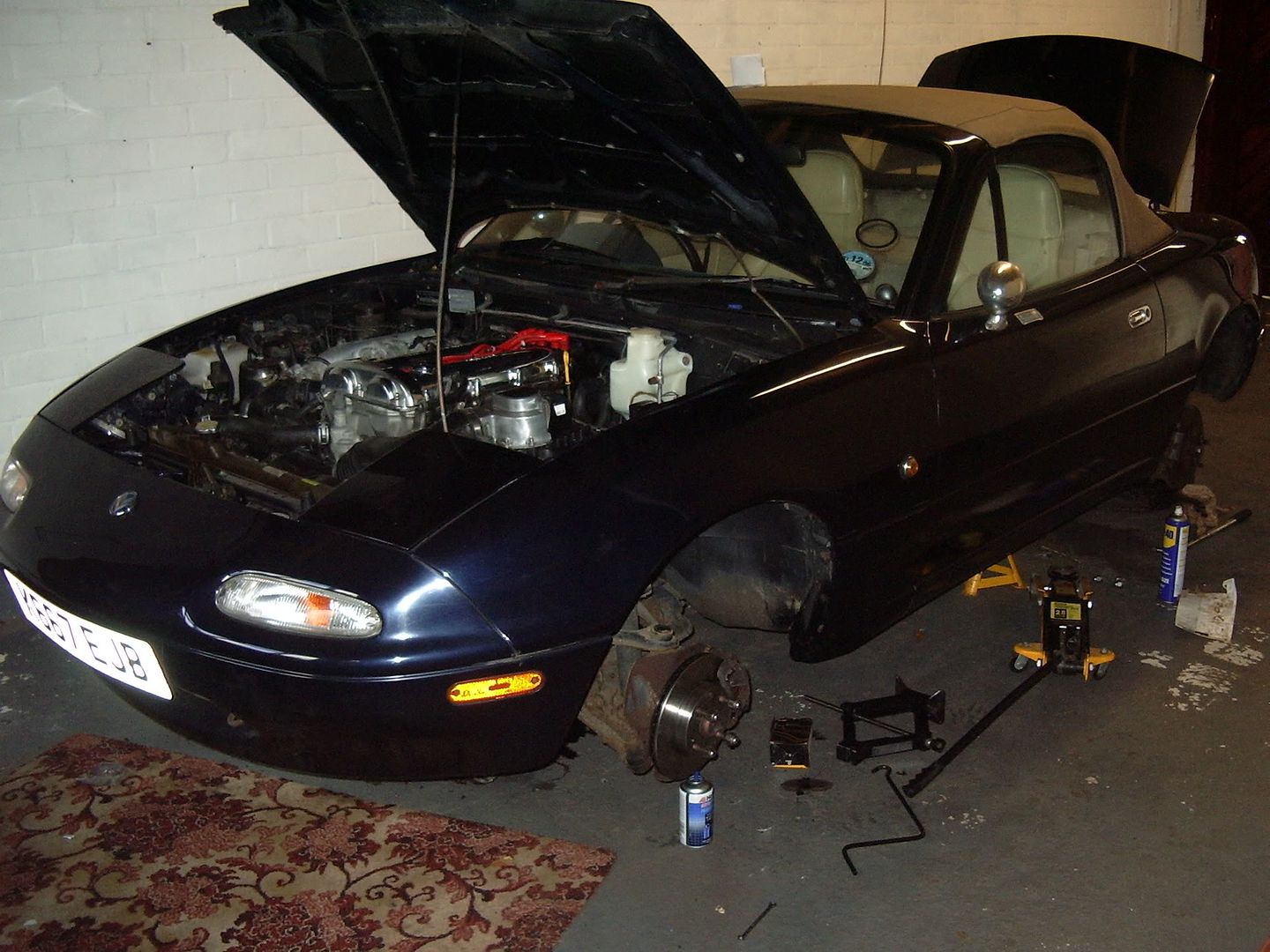
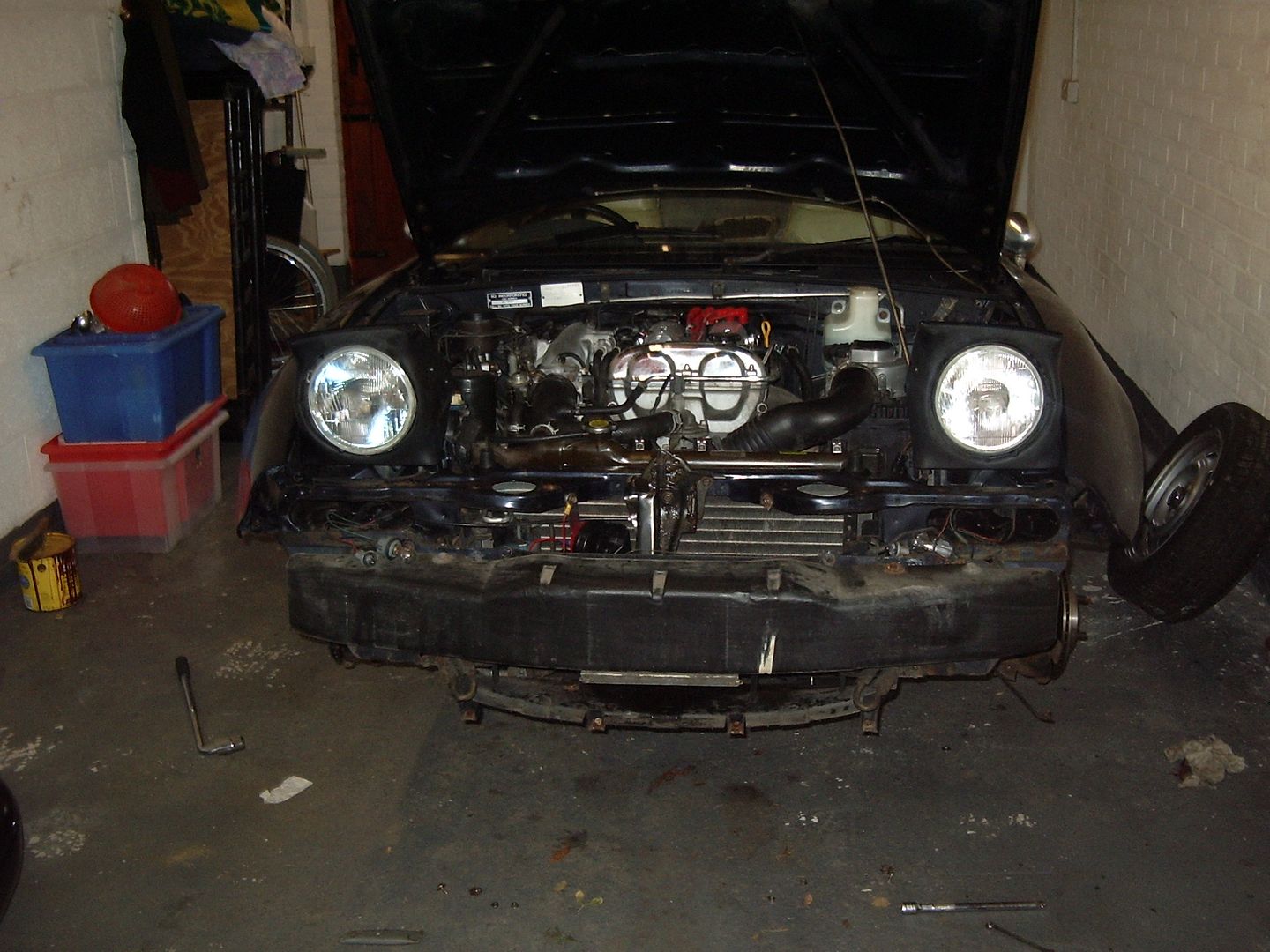
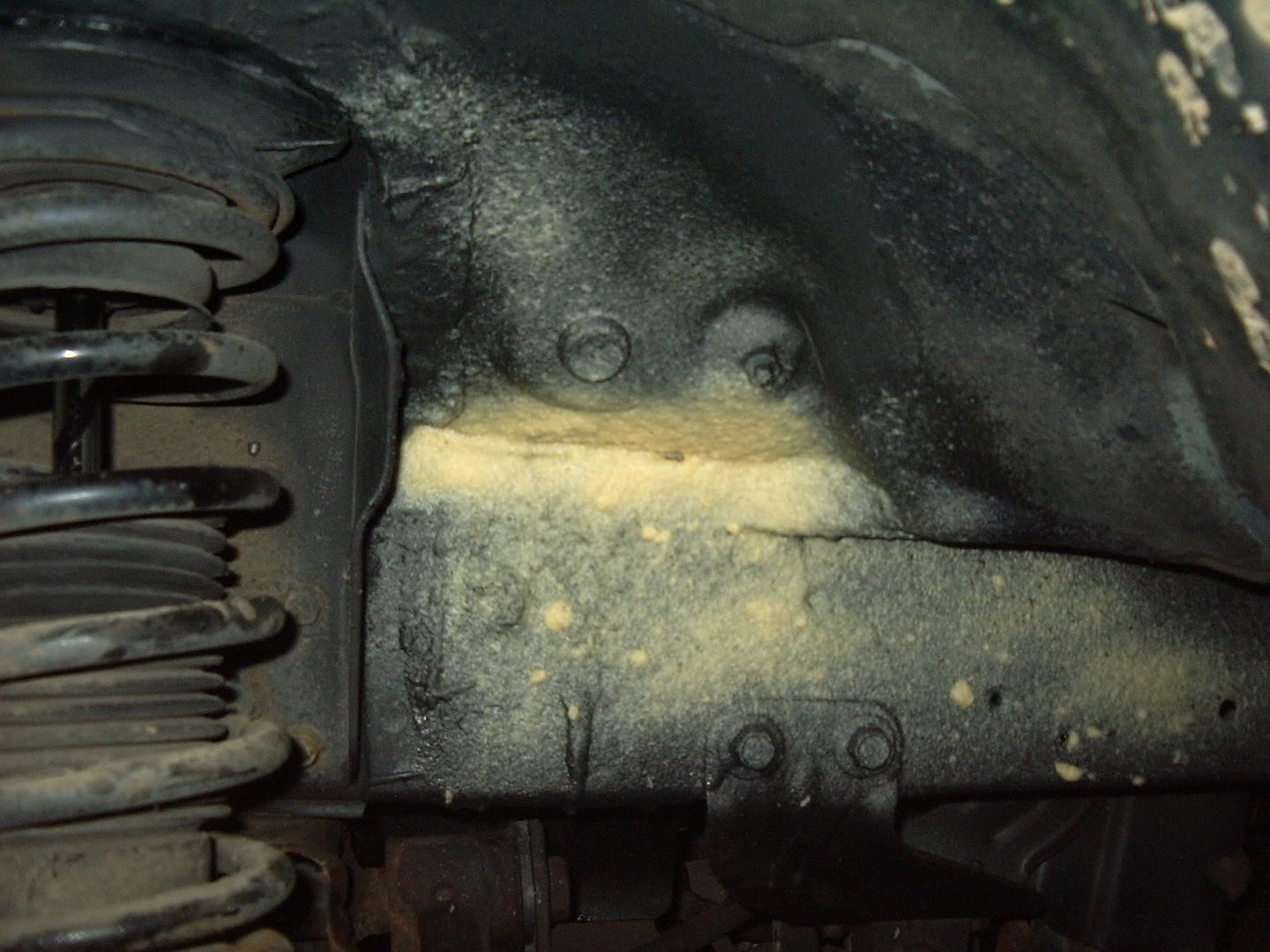
Button it back up, get it sold as a project car
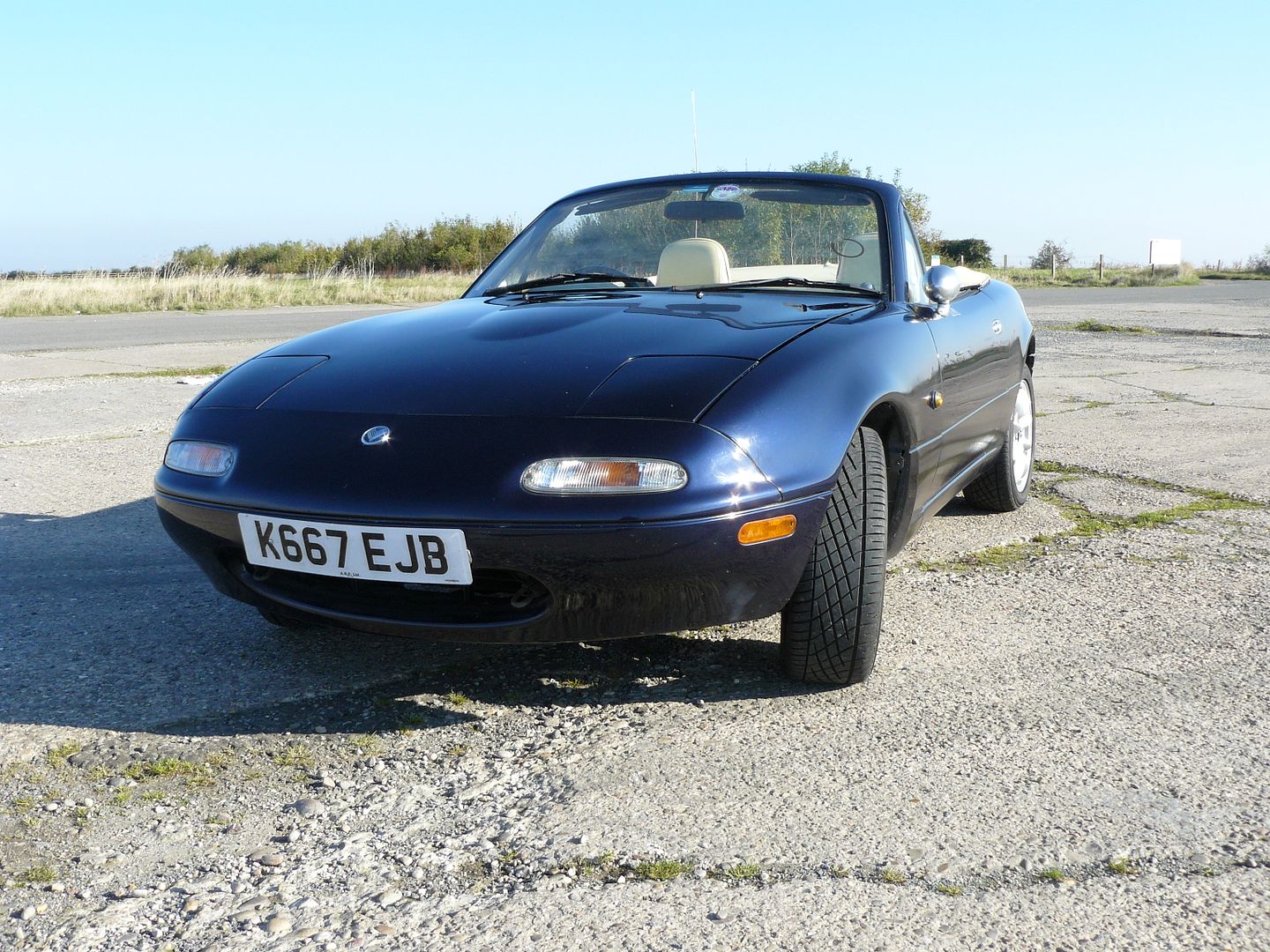
After Sam had properly restored it
Mazdaspeed at the time wasn’t really a manufacturer. They sourced most parts from various suppliers; Kaaz made the diff, not Mazdaspeed. Even now, they contract out mostly. Racing beat now supply all of the Mazdaspeed-branded suspension upgrades for instance.
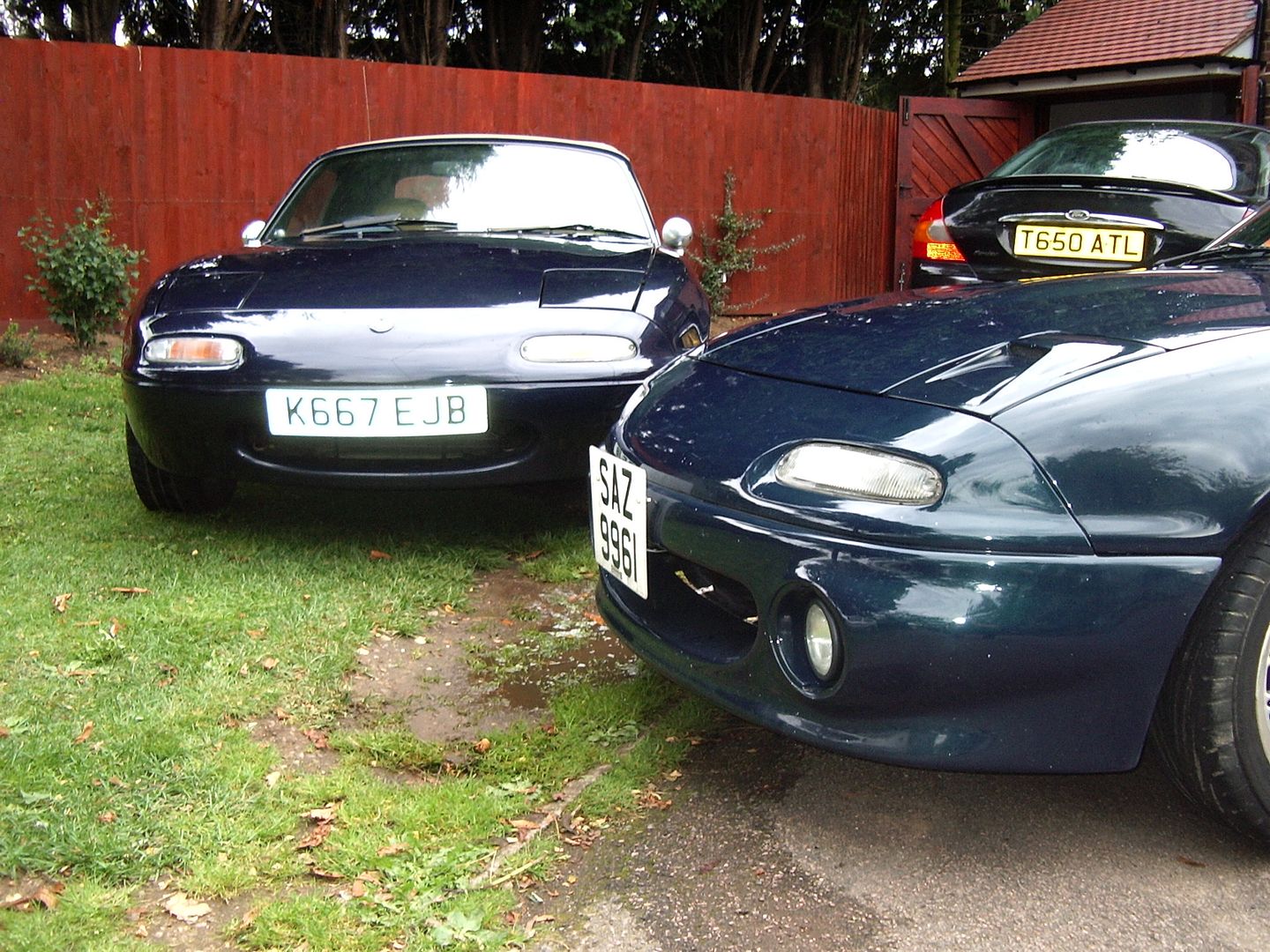
Hello saz9961

Thank you for your extensive explanation which made perfect sense to me. Slighly less than 10 years  ago, the M2 models were cheap as chips in Japan. I think the reason was because after 20 years since production, not many younger generation knew about M2. Younger generation born after the “bubble economy” did not have a strong interest in cars.


You mentioned the owner of RCOJ but could that be Mr. Mizuochi? If yes, I recently spoke to him! He was the editor of M2 voice and myself being a member of RCOJ, I know him quite well.