Hi everyone. I’m building up an ITB engine with a slightly skimmed head and some reground cams. I’m upgrading the oil pump to hit those higher revs (7.5k rpm, I’m limited by the stock valve shims) and I’m wondering how far to go with the bottom end.
The engine is a 1.8vvt with 74k on the clock and good compression on all cylinders. The rod bearings look OK with some slight wear, but I’m considering doing a refresh with new bearings, rings etc.
Is this necessary on an engine with good compression? I’m just thinking it makes sense with the engine on the stand, but this may require some honing of the bores etc. On the other hand, this could open Pandora’s box on a well running engine.
Going one step further…perhaps this is a good opportunity to balance the crank etc, but is it worth it?
Any advice or experience with this would be greatly appreciated!
The car will be used for street driving with the occasional track day. I’m an engineer but not a mechanic, so my main aim is to listen, learn and hopefully gain some new skills.
Having built my fair share of NA ITB engines…all I can say with 100% certainty is that the headache isn’t worth it. The driveability hit you take isn’t worth the amount of power gained on a 4 cylinder. The same goes for NA engine builds in general…making real power on a NA 4 cylinder kills driveability and reliability. Turbocharged is the way to go for most HP per pound spent while retaining reliability….the number the tach needle points at isn’t as important as being able to make use of the power you have without revving the engine to 7k, narrow powerbands aren’t as much fun as they seem on paper.
If you can do all the works yourself why not, but iIt’ll take a LOT of head work to flow 7500rpm and be making anything more than noise. These aren’t K20s, adding rev at the top end is just going to rob you of power in the range that 99% of your driving is in.
The bottom end will take all the NA power you can throw at it, it’s only if you start adding PSI that you start troubling your rods.
Hear me out though… one ready-balanced crank with extra displacement and a compression boost.
As Wicked has said above, going NA sounds fun, but in real world driving it will hurt you. Unless you are willing to keep the engine above 4.5K, and more realistically 5K, which you will find is antisocial, then you will feel disappointed that below that, the torque is likely to lose to the Rice Pudding skin. For road driving you want midrange torque.
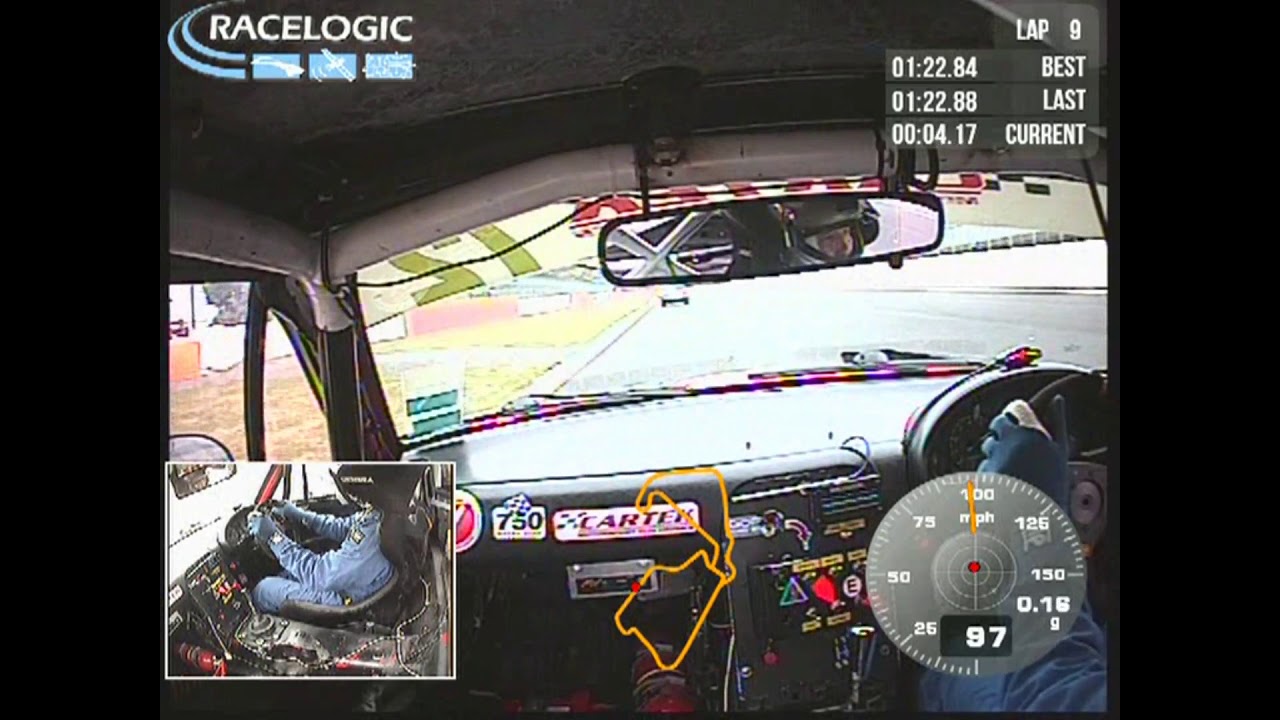
This engine was a 1.8VVi unit and with the usual bolt on bits, it was making around 160bhp. It was capable of 7.5k as was, but was out of breath at that point. Throttle Bodies would have allowed it to breath better, probably, but the only benefit in reality would have been holding on to a lower gear for fractionally longer. Superficially all three cars in this video have the same BHP per Tonne, you can see effect of the extra torque of the supercharged Mini.
Here is another one. Both cars have around the same power. The Clio revs to 7.5k and the Hyundai, which is turbo, is done by 6.2k. The Clio, as you can tell by the noise, has to free flow to make it’s power, which is fine on track, but tiring on the road. The Clio is on grippy tyres, and other bits, which is why it is making time in the corners where as the Hyundai is standard on normal (UHP) road tyres. If it was not for the Mito the Hyundai would have been faster and even as it is, you can see the distances it can make up easily. Yes, there is a bit of lag at times that you would not get on an NA car, but in reality, no more so than waiting for a peaky NA engine to get on cam.
I should probably be clearer in my questions, there was quite a bit of waffle in my original post! But some more clarification first.
I’m already down the path of ITBs. It’s something that interests me more that forced induction and I’ve already committed by buying the kit to do it! I fully understand your points though, they reflect what I’d read up on beforehand.
When I mentioned hitting the higher revs I really meant I’ll have the capability to reach that if needed, it’s not a target. I’ve been advised that the changes made would mean the engine could want more than 7k.
My one remaining question is on balancing - is it worth balancing the crank etc whilst I have everything apart? Would I still need a harmonic balancer? Again, just keen to make the most of having the engine out and in pieces.
Thanks mate. Already given that a read through, a lot of good info in there.
I’m waiting for a stage 2 boundary oil pump to turn up which would sort the pump problem, but perhaps I’m thinking for the engine as a whole (wear, smoothness etc) would it be worth balancing the crank, and would it achieve the same outcome as a fluidampr? Or is one better than the other?
You will always need a crank pulley….as for whether you need a “harmonic balancer” with the inner and outer parts separated by rubber…honestly, I have never had any detrimental issues occur on any engine I ran an aftermarket crank pulley on. I have run quite a few “underdrive” or “lightweight” crank pulleys. They are all one piece with no rubber separation. Never a single issue caused by one, whether the engine was OEM or built to the hilt. The rubber just reduces NVH for a more “civilized” engine…and even then I have my doubts as to whether to actually makes any noticeable difference. My only disclaimer is that I never drove any of the engines I put an aftermarket pulley on for more than 100,000 miles…so there does remain the possibility that at high mileage it may make some type of difference….but in reality with performance engines you generally end up rebuilding them long before that anyway since you are working with increased piston-to-wall clearances and forged pistons anyway…high performance engines just come with a lot higher wear and tear…they don’t last as long once you start building them.