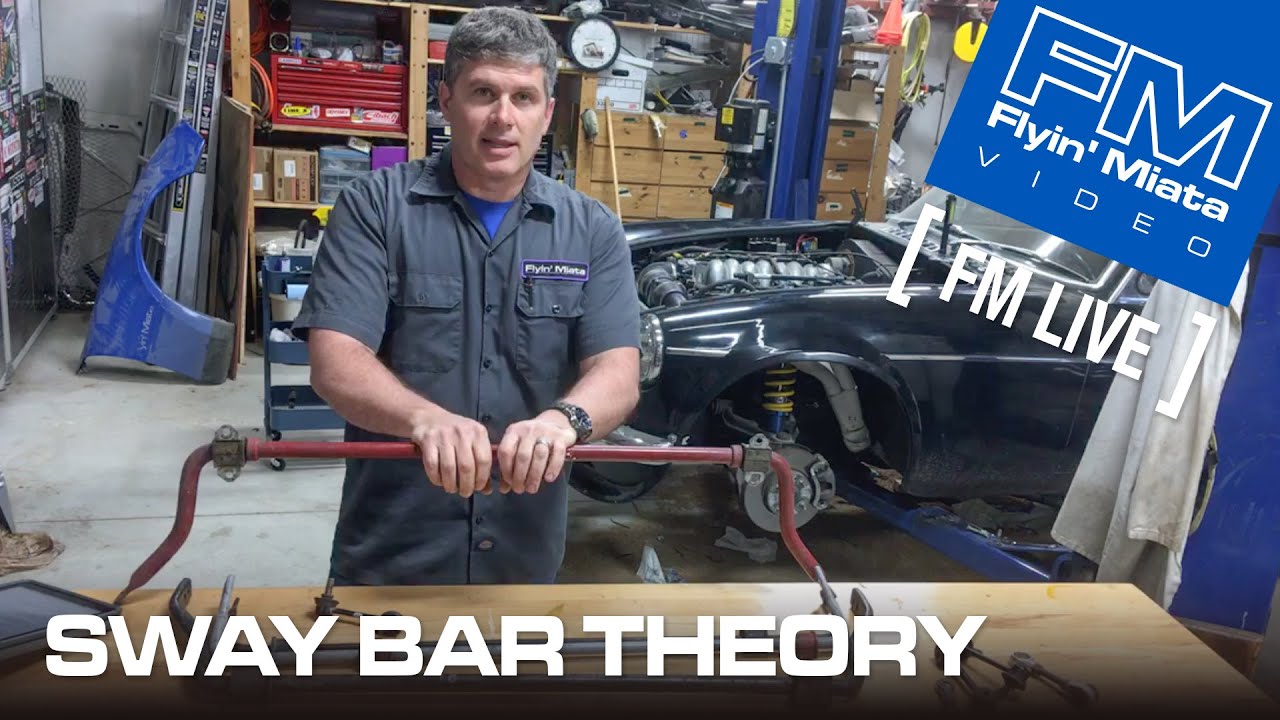
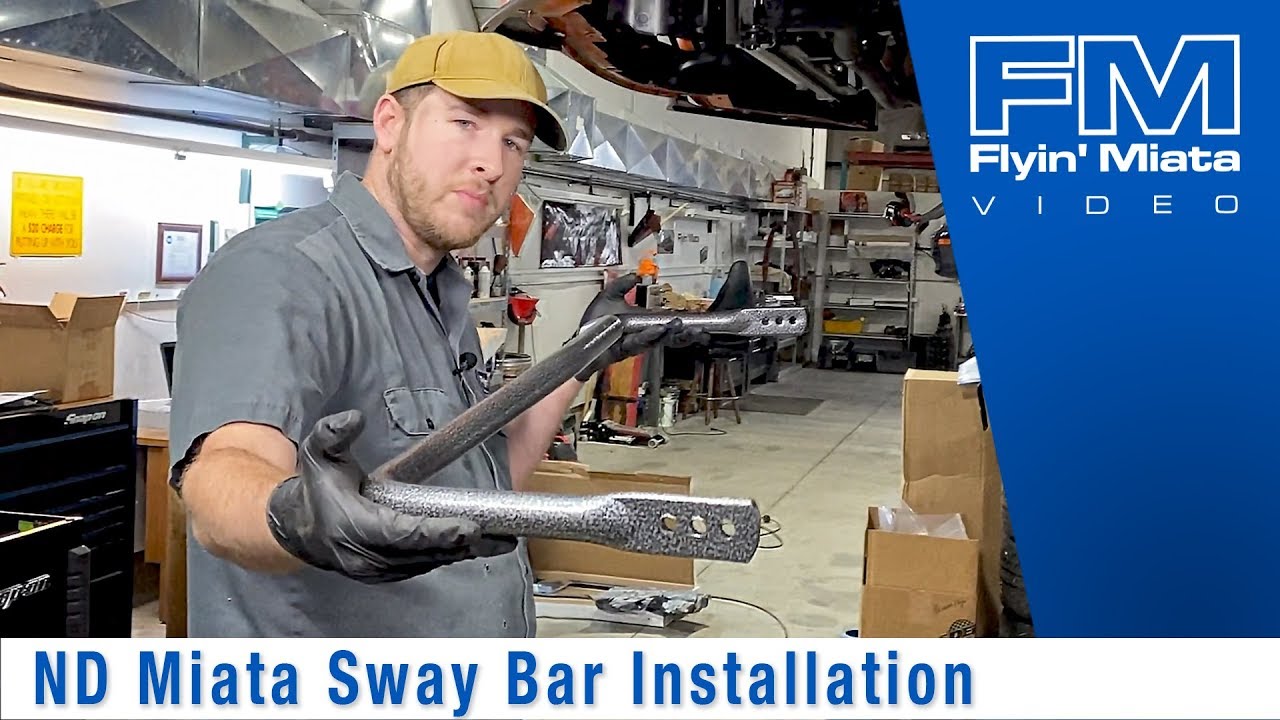
Suspension upgrade to stock ND keeping comfort in mind

Hi

Lot’s of discussions already about suspension but usually its more about the track / performance view point not so much about the comfort. For me my ND is above all a GT car. I’m not that into track driving and exploring twisty back roads on long roadtrip is more of my thing. I might end up driving even gravel roads once in a while. MX-5 is also my daily driver so I need it to be relatively comfortable in everyday use.

In general I enjoy the plushness and compliancy of stock suspension, it takes bumps well and won’t rattle your fillings out even on a harsher surface. What I don’t like is the body roll. I would be happy if there is less of that. And of course steering can always be crispier and sportier and….

Keeping that in mind I’m wondering if updating anti-roll bars and/or coil overs/shocks would be prudent in my case. I’m fully aware that the physics are what they are and there is no way to get a plush comfy suspension for street that is full on track machine at the same time. It’s always a compromise. But what I’m lacking is the point of reference. How much harsher will it get on everyday street use?

Updating anti-roll bars would probably help the most and be a smallest compromise, but I was offered “stock” bilsteins in a very reasonable price and wondering if I should buy them or should I save my money to anti-roll bars.

…or should I just be happy as it is because it is ticking almost all boxes for me and what I’m looking for is just not realistic?

Start with the roll bars.

If all you want to remove is roll, they’ll do that.

Like you, bumpy back roads are more my thing than track. My original Bilsteins have been swapped out for Koni sports with BBR springs. Sorted the roll out, ride still good, and you can harden them up if you do the odd track day. I didn’t then feel the need to replace the ARBs so the car is still lovely and communicative/progressive. Worth a look.

Do you have bilstein shocks or non sport oem shocks? This will make a difference if you fit lowering springs as the bilsteins will feel pretty firm with lowering springs.

I would suggest that you start with lowering springs and see if that is enough for you.

H&R or Eibach springs should drop the car about 30mm on non sport suspension and are well respected brands.

You can then fit anti bars if the roll is more than you want.

The springs will make the car look better, make it a bit more aero with less air going under it and should improve handling.

Coilovers are expensive and usually very firm and for road driving will be too much for a lot of people.

Just do the anti-roll bars, the clue is in the name.

Thanks for all the comments! Truly appreciated. They have given me a lot of food for thought.

I’m currently running stocks, but I have my eyes on quite nicely priced low mileage original mazda bilsteins that I’m also considering (yes like everyone, I want new toys to my ND and swapping those would be doable in my garage, ARBs are a different story). They won’t solve the the body roll issue, but at least general consensus seems to be that they are better than stock and with 300€ (with springs and 10k on them) they seem like an awfully good deal in my eyes. Also did test drive 2016 with bilsteins when I was looking my MX-5 and I have nothing to complain about the ride. Although I can’t say I was very analytical about it or didn’t even know what to look for in handling back then. But I do remember that they weren’t harsh in a way that would bother me which was always the number one thing that always impressed me on MX-5.

After doing some anti-roll bar research on my own (know good amount about motorcycle suspension, but cars are relatively new to me). I also realized that they also harshen the ride especially uneven bumps because left and right act more like a single unit. And this got me a bit worried.

I actually live in Finland and uneven bumps are especially the problem on local back roads where the frost damage creates all kinds of havoc to roads (so potholes, bumps, cracks, patches, patches on patches and so forth). If there is a bump, it’s almost guaranteed that there isn’t a matching one on the other side. This is especially an issue on gravel roads that you simply cannot avoid here when on the hunt of those lovely b-roads. Also I drive my car all year round, and roads packed with snow and ice are a completely different beast for suspension.

So suddenly anti-roll bars don’t seem like such an optimal choice in my mind after all… It feels like I would be substituting body roll for maybe another kind of annoyance. Or am I reading too much to this? I have a nagging feeling (based on my experience on bike suspensions), that changes are far more subtler than I think they will be.

On the other hand I’ve driven some pimped up tuning bimmers that had zero body roll and you could feel every crack on the road on your spine, though these were the regular “youth tuning”-cases, where low ride hight and the cheapest coil overs was the thing, not necessarily how the car actually handles. Also driven one track optimized car (Porsche 944) and that is definitely not what I’m after but that was a street legal racer so don’t think that’s a good comparison point either. Also, I hated my friend’s stock Octavia Combi III due to its harsh, non-compliant suspension on sharp bumps (seems to be issue in relatively new Skoda/VW in general). This harshness is something that MX-5 is completely missing. With stock shocks you know there was a bump you can feel it but it’s not sharp, it’s just there. Those sharp harsh clunks are what I’m desperately trying to avoid.

Also I know lowering kit would firm up everything and help also with body roll, but as I live in the countryside, dropping the ride height is a bit problematic move. I really do need those “ugly” centimeters under the car. Otherwise this tuneup has a possibility to be a very expensive one. Shocks + springs 1000€+, redoing my road so I can get my MX-5 to garage without leaving the exhaust behind…. 10 000€+ :sweat_smile:

And sorry for being such an awfully complicated case :smiley: My use-case is a bit peculiar one, and there is a distinct possibility, that it’s perfect just as it for my use, but daddy needs new toys for his roadster :grimacing:

(and yes I know the MX-5 is probably the least practical car for me, but I decided year ago that I’m done with boring practical family cars. Haven’t looked back once, so it seems that once again Miata Is Always The Answer :grin: )

Maybe just switching to bilstein shocks and staying with standard springs is going to suit you best!

You’re spot on re anti roll bars. Why spend all that money on independent suspension, only to make it behave like it isn’t. Honestly, spending money on the best quality dampers you can justify and some bracing to stiffen up the structure would be the best answer for your use case. I wouldn’t even lower it personally - or at least resist lowering it any more than you have to to get decent dampers to work properly. The more wheel travel you have, the more fun you’ll have on the sort of roads you’re describing.

They’re good in the right circumstances, but not all, and not for uneven roads like the OP is driving on.

Grabbed this from AI, but it sums it up quite well:

Upgraded anti-roll bars (ARB), while popular for reducing body roll, can introduce several negative driving characteristics on standard roads. The following points summarize these drawbacks as demonstrated in various automotive engineering and testing videos:

  • Increased “Waddling” and Jarring Ride: On rough or broken pavement, a stiffer anti-roll bar can cause the vehicle to exhibit a side-to-side “waddling” sensation. Because the ARB links the left and right wheels, a bump hit by only one wheel is transmitted more forcefully across the axle to the other side, reducing the effectiveness of the independent suspension.

  • **Reduced Overall Mechanical Grip:**Stiffening an anti-roll bar increases the rate of lateral load transfer during cornering. This can overload the outside tire while lifting the inside tire, which often leads to a net loss of grip at that axle.

  • Unintended Oversteer/Understeer:

    • Snap Oversteer: Stiffening only the rear bar can make a car more prone to sudden lift-off oversteer, where the back end of the car “hops out” or tries to overtake the front when lifting the throttle in a corner.

    • Understeer: Excessively stiffening the front bar can cause the front tires to lose traction earlier, leading to increased understeer.

  • Loss of Off-Road/Uneven Surface Traction: For vehicles driven on highly uneven surfaces or off-road, stiff bars can cause one tire to lift completely off the ground, resulting in a total loss of traction for that wheel.

Ok as this seemed to have a bit of controversy, I used couple of days to actually understand how suspension works in cars. And also do some comparisons to other cars so I would understand why NDs have that much body roll.

It was a quite interesting trip and I have to say that I’m quite impressed what Mazda engineers did with the suspension. It’s plush and it’s forgiving to rider but without sacrificing too much on handling. It’s far from optimal if you think about track days, but it makes it work nicely on those bumpy b-roads and every kind of road condition world can throw at you. And that is one of the main reasons I fell in love with this car and why it is usable for me as a daily driver.

What comes to bars vs. springs discussion I’m more on a team springs. When comparing roll stiffness to other sports cars, front is actually quite balanced as it is, It’s the rear that seems to be quite unsprung. Of course if you just look at the springs they seem hopelessly soft, but I never realized that bump stops are actually carefully designed part of the suspension. So springs are actually heavily progressive because of them. Soft on beginning, firm at the end. It is this design feature that seems to create to unwanted body roll, because only when suspension hits the bump stops it starts to actually carry the force introduced by the roll. But at the same time it’s also the thing that makes rear suspension plush and compliant. I’m guessing its also one of those reasons why bumps feel firm but not harsh. Soft start takes some load and then the progressive nature of bump stop firms up. It wont crash, but you will notice it as the suspension “firms up” in the end. Interestingly cousin model from Fiat actually has even softer springs in rear and the Spyder is supposed to be even more comfortable than MX-5. So it would seem that I’m on the right track with this.

Looking things from this perspective adding beefier anti-roll bars especially to rear should fix the problem, but it will also makes drastic changes to dynamics especially with open diff. Even with the mildest bars I found would actually change the suspension so that ARB would contribute substantial part of spring rate on uneven bumps, and that can introduce even more wheel spin that is already a problem in winter. I’m actually also considering LSD just to calm down the rear on icy conditions because the open diff is quite “lively” especially on acceleration and DSC let’s tyre spin quite a lot before it hops in. This makes the car quite squirmy so the main traction control is your right foot.

Looking at aftermarket springs and ARBs available, they all seem to make quite big changes to suspension and what I want is a bit of a fine tune without sacrificing the features Mazda engineers carefully designed into the suspension. These kind of parts unfortunately don’t seem to exist. I get it though. From commercial perspective parts you add, should actually make a substantial difference how the car behaves otherwise there would be lot’s of unhappy customers. Fine tuning is usually left to race tracks, but at that point you are no longer interested about plushness of suspension, so trying to make track parts work like I want, is far beyond my knowledge about suspension and seems awful lot of work (and money) to decrease body roll slightly…

All is not lost though. It seems US Club-trim (I think its Homura/Sport in Europe), has slightly stiffer rear springs than stock (14.0 N/mm –> 17.5 N/mm which is actually substantial but it still leaves rear quite soft compared to other cars). They are not as stiff I’d like to, but it is a start and I wouldn’t be sacrificing any ride height. So I think I start with that if I can find those somewhere. Also spyder has slightly beefier ARB on the back (probably to shave of really bad body roll from softer rear springs) and I could try to get my hands on that one too if I still want to firm up the rear.

But anyway thanks for all the comments. Especially @Goodj for sticking his guns with ARBs. Controversy is always good and I wouldn’t have done such an extensive research on my own without it. And just to be clear, I’m not saying updating ARBs is wrong move. I think it’s just a wrong upgrade in my very specific case where I also need to consider how the car behaves on harsh icy winter roads. What I’ve read, most people seem to enjoy immensely how ARBs change the ride. It will definitely make the car more responsive and sportier. On normal conditions downsides are probably negligible and all you notice is improved handling and a firmer ride on b-roads. Just like Keith said on the video above.