Morning Richard! Looking at the specs, just under 700mm tall would have been fine  by keeping the sectional legs but removing the second shelf up, looks like it may have accommodated the R to R too! Not in stock on Amazon though
  thanks for thinking of me
Barrie
1 Like
The new grain of wheat bulbs for the tuner needle illumination on the AIWA AX-7600 arrived the other day
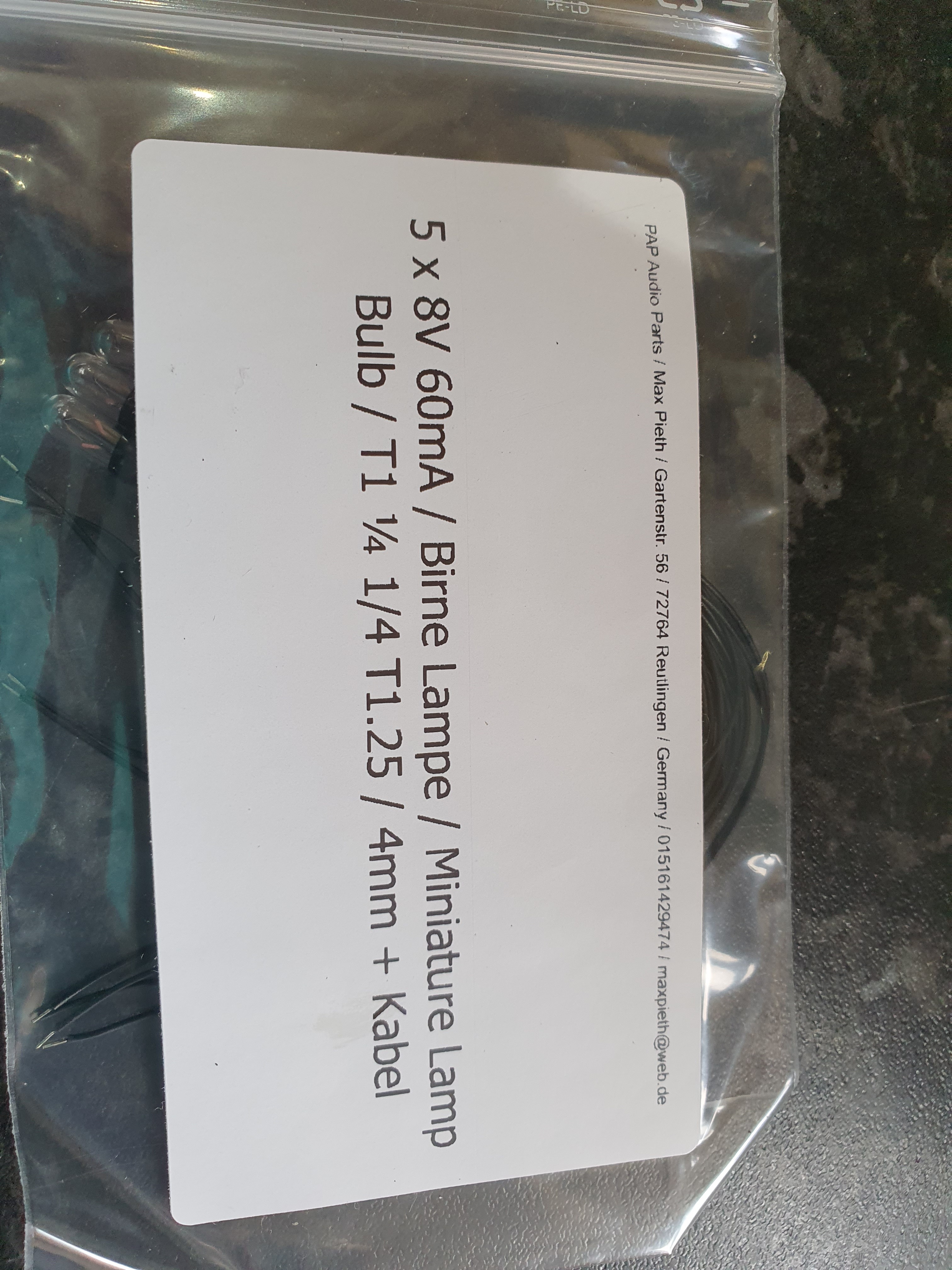
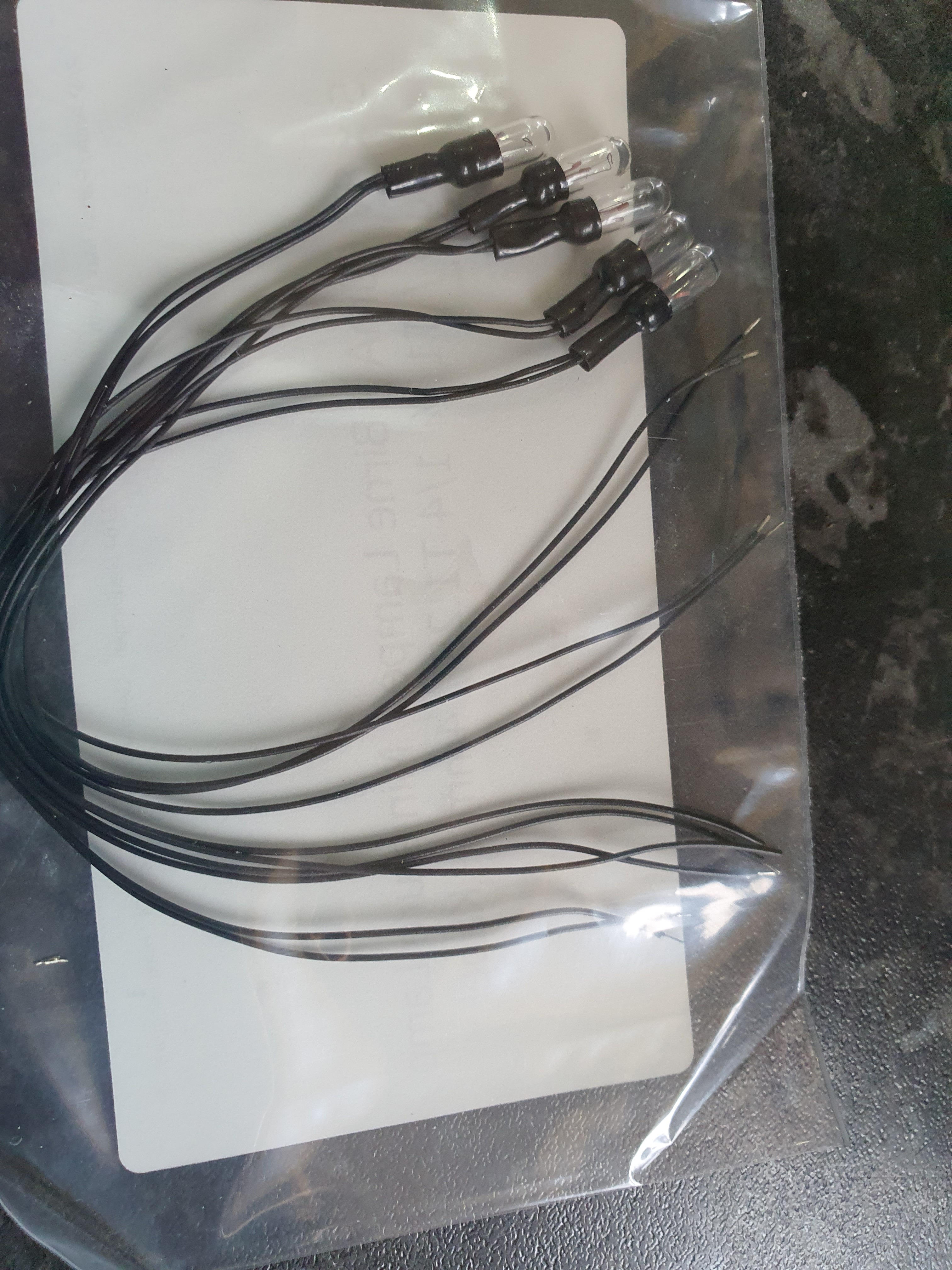
So, I set to and replaced the blown one
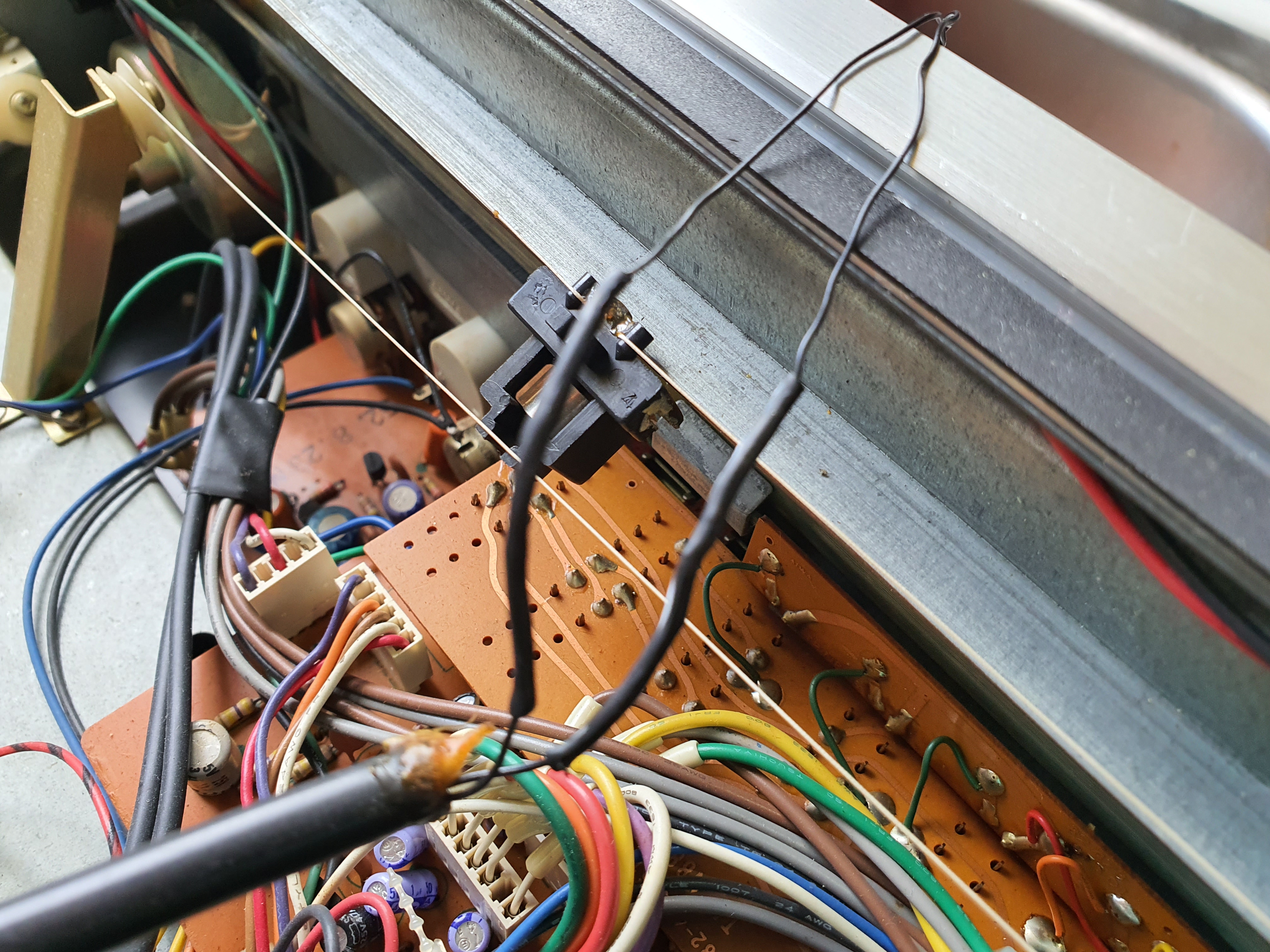
Quite long tails on the new bulb so with the help of some heat shrink and my soldering iron, got it all sorted.
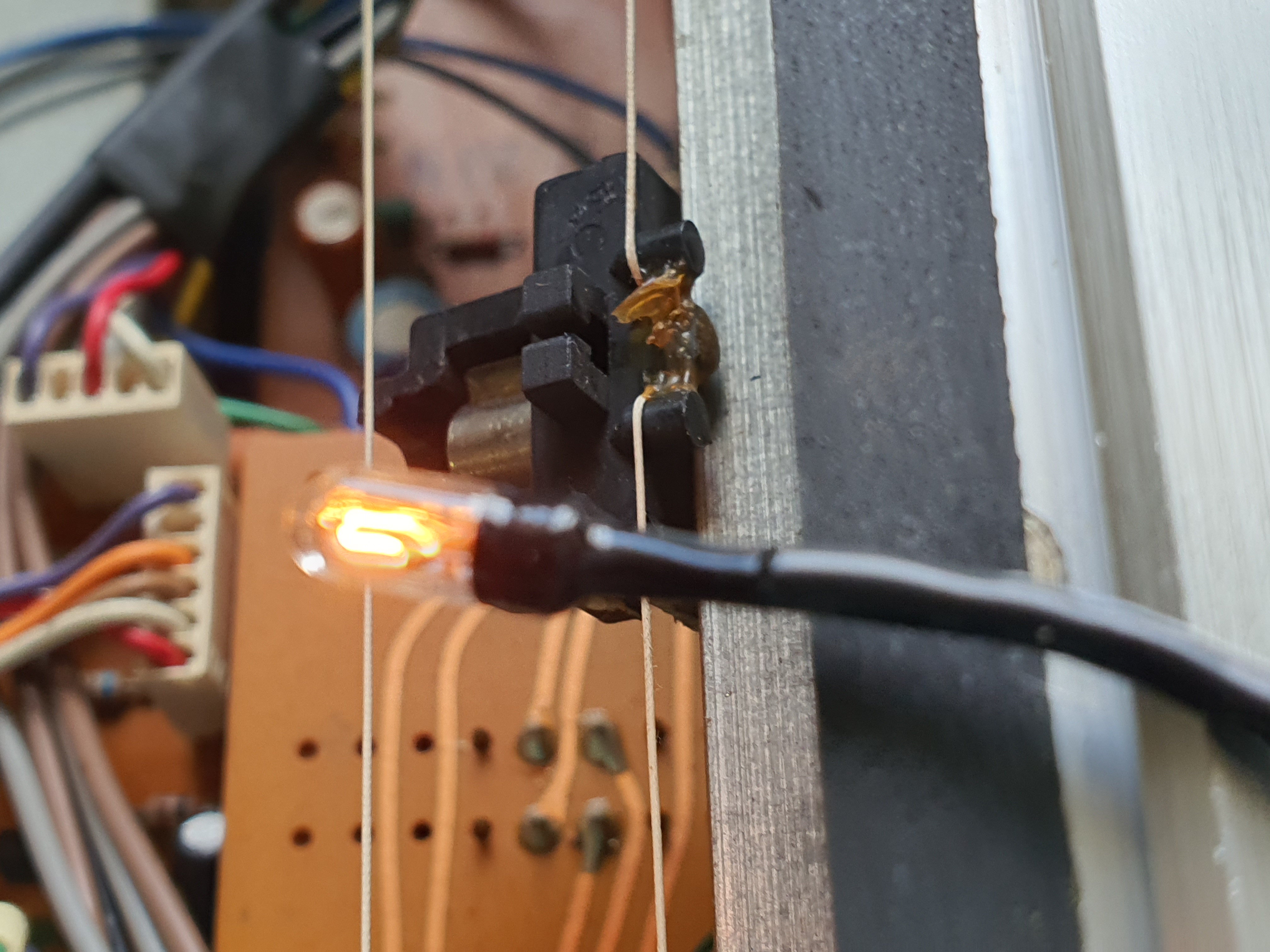
The even smaller bulb for the stereo indicator light wasnt shining either so had a look while I was in there. I took the little PCB that holds the bulb off and found that there was a dicky solder joint.
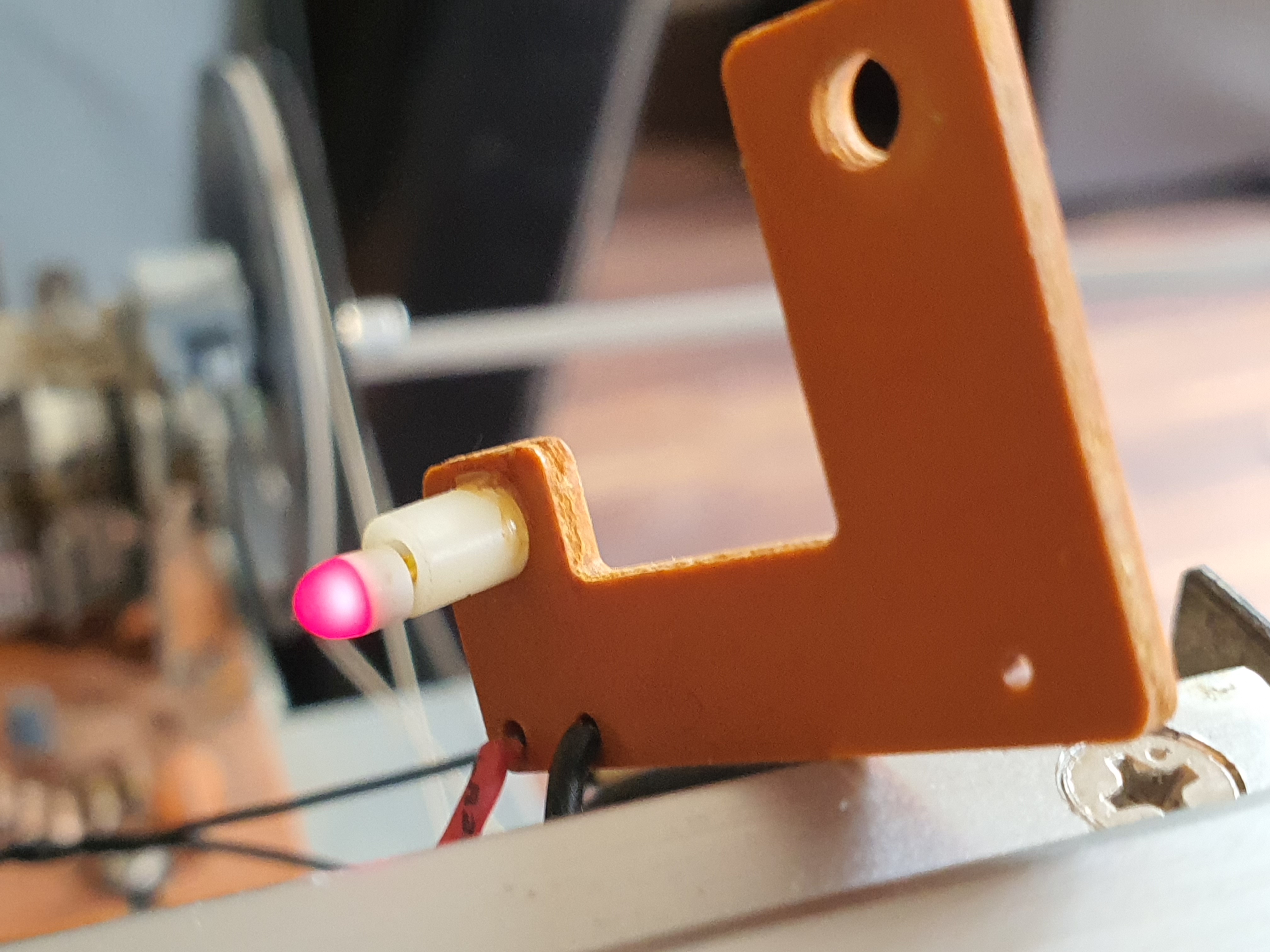
TBH, not yet sorted that one as, after desoldering, the legs on the bulb were so short, I’m having trouble resoldering.
 not sure of voltage etc for this bulb either can’t see where it gets its power from? Only lights when receiving a stereo signal. As you can see, still on the board, I got it to light up but was very intermittent when moving the bulb.
Barrie
1 Like
In advance of moving some gear back into the lounge whilst Mrs B is occupying the spare room as office space during lockdown, I bought two sets of these,
35’ long, terminated with ‘Y’ sleeves and banana plugs, braided sleeve over entire length! The 3’ version was only half the price so almost 12 times the amount of cable for only £9 more! Absolute bargain IMO. I’ll cut a cable in half (or more) banana plugs at speaker ends and wire in some 2 pin DIN plugs at the other
the banana plugs are rewirable type so can reconfigure the cable any way I want.Very pleased indeed.
Barrie
2 Likes
OK. So, I am just getting back into records and have resurrected my Dad’s Technics SL D2 turntable. It plugs into the mains and so is always on in a sleep mode. There is no inline switch system to activate it/turn it off or a switch on the t/t itself. I can obviously turn it off at the mains. Should I just do that when it is not in use - which is most of the time? Would it be best to wire it into the NAD amp (it’s a hexagonal 6 sided plug connection which I dont recognise!)?
1 Like
All the accumulated stuff I have is connected via a couple of 6 gang “extensions” one of them via an audio timer. I always switch off when not in use for one of them and switch the audio timer to display so no power running from that to the other 6 gang. Suppose it’s safer to disconnect and plug in/switch on when you need to.
Barrie
Ta Barrie. Think I can manage to switch on/off every time 
1 Like
Yes, switch off at the mains if the item is not in regular use, say only once or twice a month.
This will prolong the life of the big electrolytics in the power supply, which are usually the first thing to go wrong on old equipment because of many years gentle cooking drying them out.
If it is in regular use (at least daily) then leave it on, because unless there is a soft-start circuit the next most common cause of failure is… guess what? Repeated inrush surges associated with switching it on will eventually fuse some of the inner connections, again this will take a few years.
Neither of these is catastrophic, it just means the capacity steadily goes down, a bit like an older battery losing the ability to hold charge.
1 Like
It’s phrases like that that make me feel old. Lovely turntable, had one myself not long ago, would only have been about, oh… was it that long, oh sh…
3 Likes
Barrie
2 Likes
Now that looks really good! I wonder if it sounds as good?
1 Like
Hi Barrie,
Perhaps you had better break the news to Mrs. B. that you have one on order, very gently, and accompanied by a box of chocolates, bouquet of flowers, and a magnum of champagne !
Good luck !
1 Like
TBH, yes it does look good, many echoes of past LEAK hifi. Dont worry, even I’m not daft enough to place an order! Much as I’d like to
Barrie
I did have a Leak Stereo 30 amp in the late '60s, sold it when I got the Delta. Sort of wished I’d kept it now. Would I be interested in the new models, amp and CD player? Yes and No! Yes, because I LOVE the retro looks!!! No, (A) because I already have too many systems I don’t listen to. and (B) I absolutely HATE slot feed and tray feed CD players.
And I had a Leak Trough Line tuner which I’m absolutely kicking myself for selling about ten years ago. I wasn’t using it regularly and I thought FM switch-off was probably only about five years away. What a fool. The magic eye tuning indicator valve still worked and everything.
1 Like
Nothing much to report for various reasons, mainly Mrs B occupying the room where all the hifi gear is set up, while she works from home. I keep threatening to set a system up in the lounge but haven’t really got going with that. I also want to include a sub woofer to the main set up in the spare room. Basically, even though the new Polk T50 floorstanders have an additional two passive bass woofers incorporated, I don’t think they are as nice sounding as the Tannoy eclipse 2’s they replaced which only have a single active woofer in each cabinet. All that at roughly a third of the price of the Polk’s too! Anyway, I have the sub which only has line level inputs/outputs so a bit of cable reconfiguring required, which I have made a start on.
Barrie
If you haven’t got a suitable line level output for the subwoofer then you could always use one of these. Marketed for in car use but would work on a home setup.
1 Like
Hi Paul and thanks for the link I “think” I have something similar, somewhere might have a root around for it to see if what I have is suitable? My speaker outs from the amps all go into the new splitter thingy that I installed recently via cables all configured with banana plugs at one end and a mixture of 2 pin DIN plugs or bare wire at the other. Speaker outs from the splitter are banana/banana but the sub has a dedicated sub connector or bare wire (which I need to use), not having a dedicated sub output on any of the amps.
So, banana plug out from splitter, bare wire both into and out of the sub and then banana plugs into the speakers! made up one set by cutting one of the new 35ft cables I bought recently into two separate cables! If I take the banana plugs off the existing cables from the splitter, I can connect the bare wire ends into the sub! I really ought to get on with that! It’s not a difficult job
Barrie
Bass extension and more speakers.
In some ways I prefer the traditional old analogue amplifiers, mainly because you can see what is going on. But the modern digital audio amp has its advantages too, cooler and more predictable.
I’ve just bought a pair of amplified speakers to improve the sound of our kitchen TV, especially at the bass end. No TV has any clean bass from those silly slot speakers. I think our kitchen TV has nothing below about 120Hz, OK for speech but a waste of space for music.
So these new Edifier R1280T look the business; nice ported cabinets with a bit of weight, and they have first rate components inside on the amplifier card, potentially a brilliant sound, and close to a genuine 15W RMS per channel for almost no heat on the circuit board. But the actuality? Muffled as if the tweeters aren’t working and boomy upper bass but not much below.
So I put the passive speaker on my tone source, and we could hear a useful output from 60Hz to 10KHz although poor dispersion in the hf. But still not a patch on my old Logitech X-230 PC speakers which go down below 40Hz and way up past my hearing, alas no longer available new or I would have bought yet another set of those (6 in all over the years for us and friends).
So I ran the tone source through the amplifier, no speaker output above 4KHz, treble control has almost no effect.
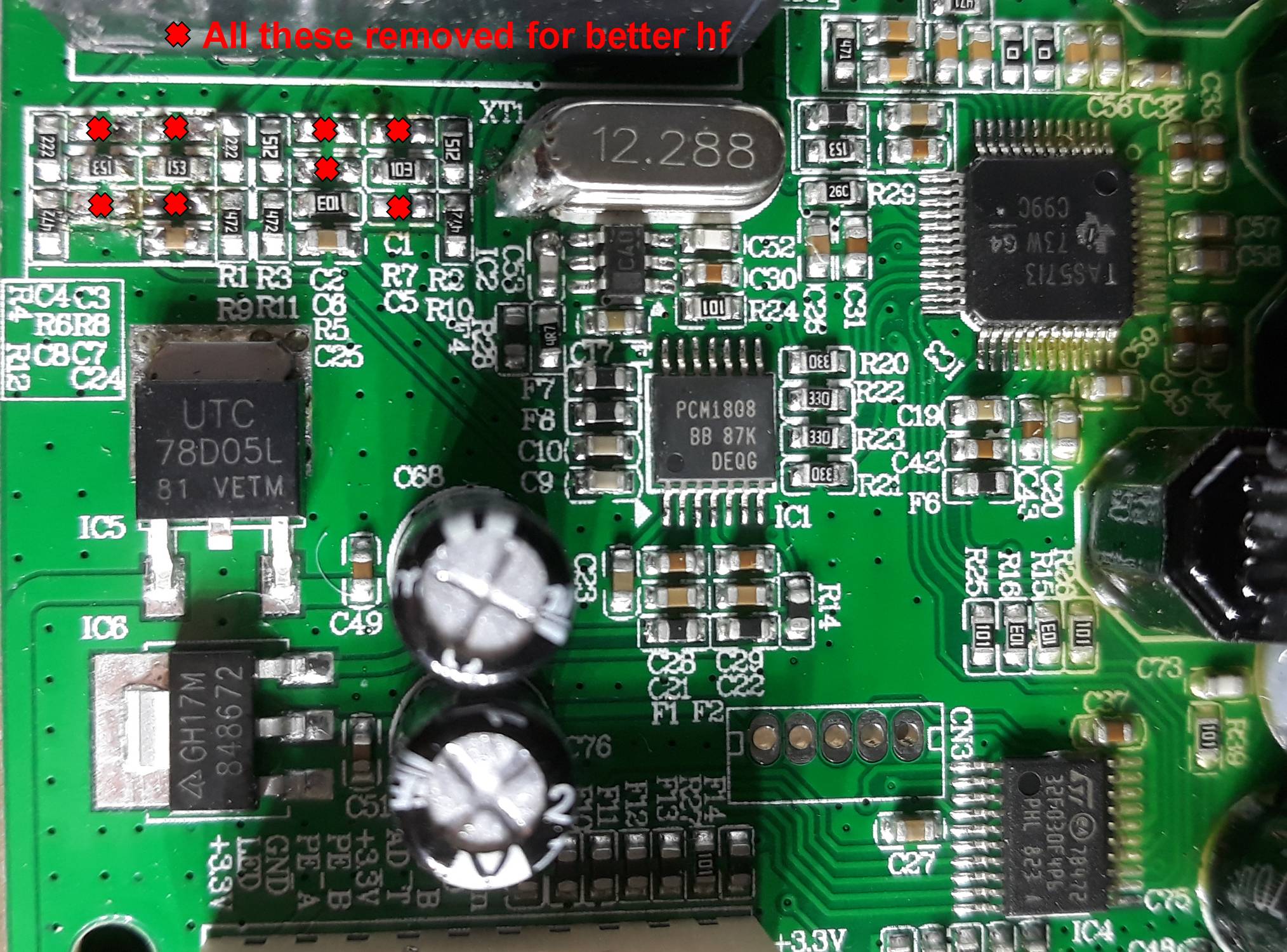
Being who I am, I took it all apart, and was impressed by the high quality ADC chip (PCM1808) and high power class D amp with equaliser etc (TAS5713) and the ARM micro-controller (32F030F4P6) in charge of it all and a nicely laid out circuit board.
So why the poor sound?
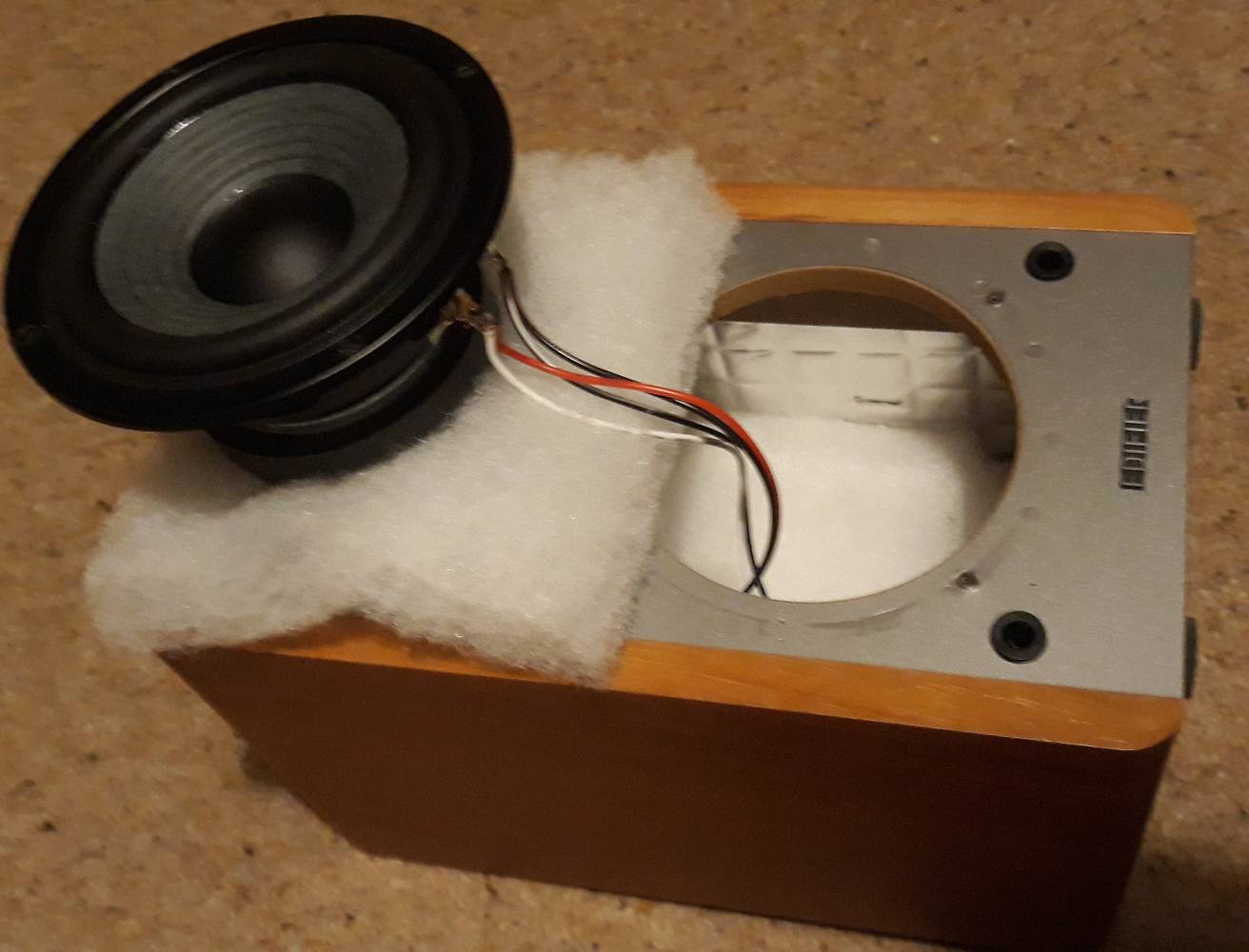
Bass boom at spot frequencies was cured by adding some stuffing into the cabinets (pond filter mat) and strategic dabs of left-over Silent Coat.
Edit, added a pic of the modified inside of the passive speaker (actually an MDF box). The little bit of wadding glued to the back of the bass driver is original.
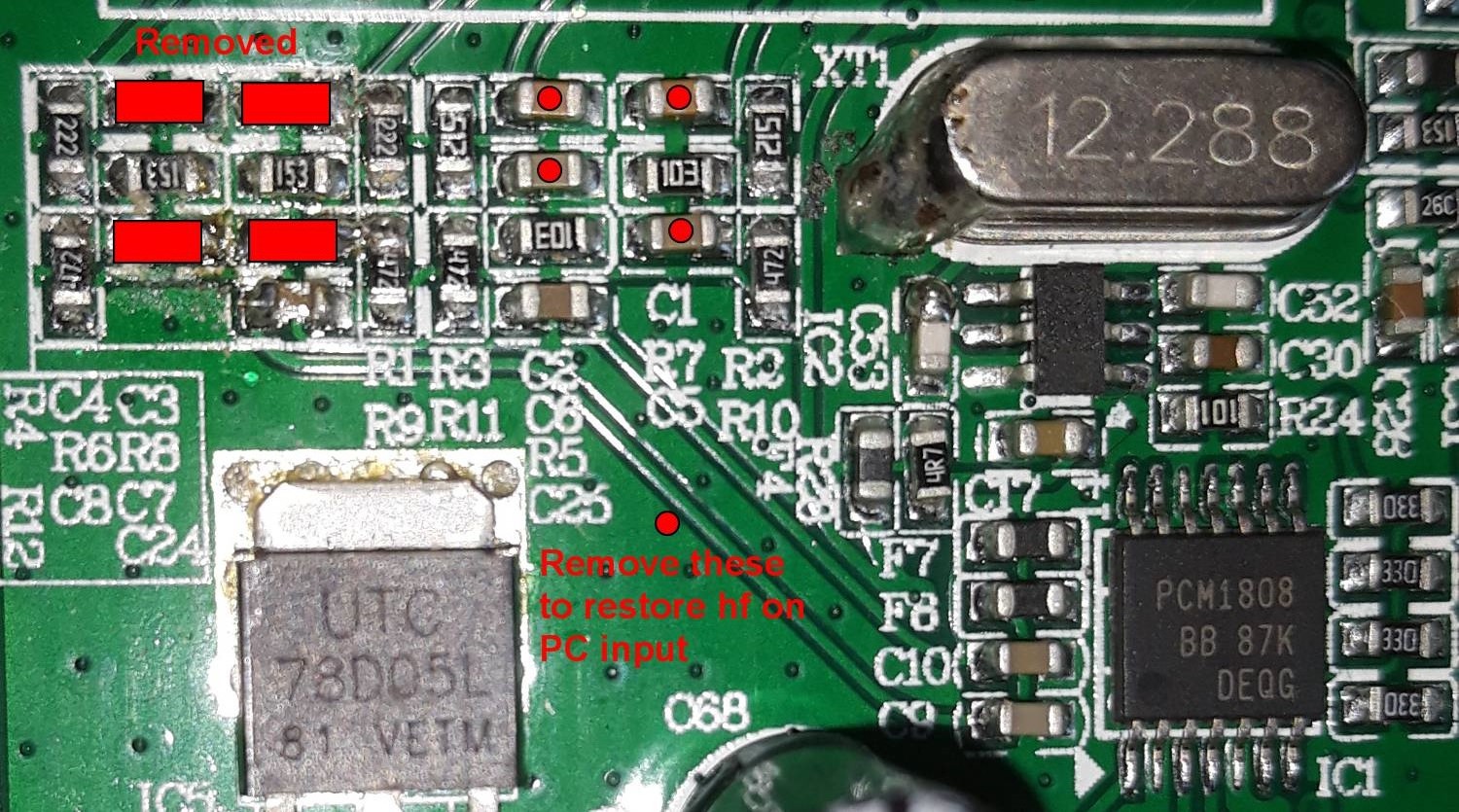
The PCM1808 application notes suggest only one stage of out-of-band top cut in addition to the built-in anti-alias filter inside the PCM1808. But, this amp has three top-cut stages per input and bits from the mixed in other input not helping. Loss of hf was reduced by snipping out the two extra levels of filtering on the Aux inputs. I left the other inputs for PC signal to highlight the difference, although with hindsight I should have taken them out too because there is still some interaction, a 3dB down shelf. Now the tone source can be heard on the speakers through the amplifier up past 10KHz, good enough for a TV.
To gain an idea of the range of tone needed; bottom E on a standard Bass guitar is 41.204Hz, A is 55Hz, so the lowest few notes in normal music will not be heard on these speakers. Whereas at work we expected to cover from 40Hz to 10KHz flat, with 12KHz and 15KHz looked at to make sure they were not peaked above the right level.
1 Like
Interesting Richard as we’re about to purchase the Edifier speakers but with Bluetooth for a house warming present for our youngest lad, to go with his audio technica LP60 turntable he has. Do you think they are manufactured/designed as you describe or were you unlucky with the pair you purchased? They seem to get some good reviews
Barrie
Go to the website and checkout the quoted frequency response for the ones you are considering. The ones I have suggest +/-9dB frequency response between 75Hz and 18KHz in the user guide that comes with them. I bought them knowing I might have to modify them, possibly even learn to hack the ARM processor that sets the equaliser parameters! I also have enough test equipment to make an informed judgement, but most people don’t and are at the mercy of whatever arrives.
The Bluetooth version of mine R1280DB (out of stock everywhere) suggest a range of 55Hz to 20KHz, and maybe they are better. But I’m prepared to bet it is still +/-9dB. So that is 18dB between loudest and quietest in that range of frequencies, or a range of eight times (6dB is x2, 12 dB is x4, 18 dB is x8, 20 dB is x10).
We can easily hear the difference of just 1dB in closely related sounds and 6dB in poor frequency response. I would suggest paying a bit more for something better for listening to a decent turntable with good records. Have a look at the reviews from Which? and WhatHifi etc. They do better comparisons over a wide range of speakers at a wide range of prices.
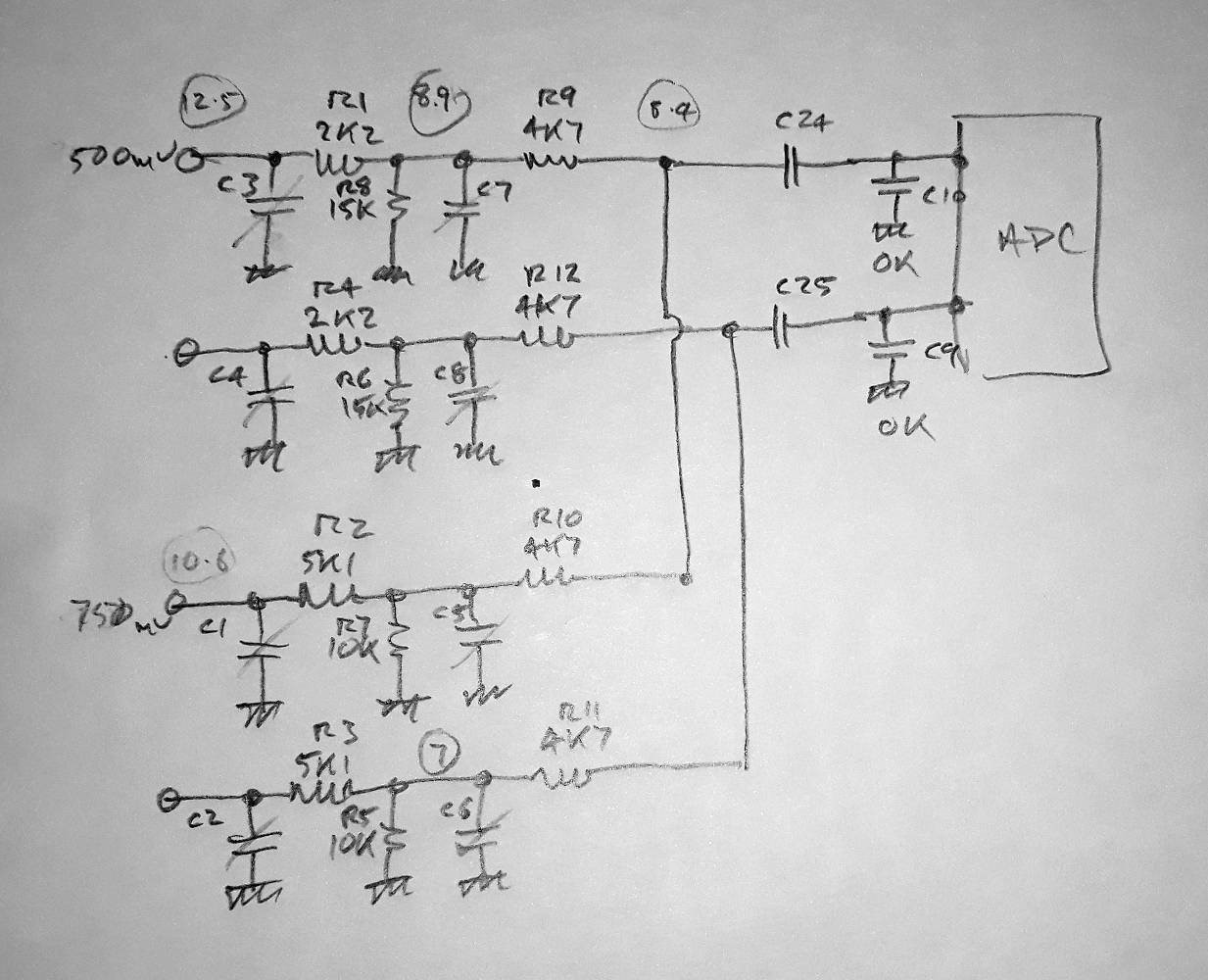
It could be the wrong value capacitors were fitted, easily done if someone fills the pick&place hopper with the wrong roll because the small value hopper maybe ran out, and the fatter decouplers look the same. The effect on the response was as if 100nF were used when it should have been 1nF or maybe 10nF. I’ve not bothered to work out the optimum values because there are too many variable in so many poles and inputs combined, but the cut-off poles should have been 6dB at 30KHz not 4 to 5KHz.
Ah supper calls. I’ll post the input circuit I traced out later, you’ll see what I mean.
Edit.
Added the input filters, as sketched out. Capacitors with a stroke through them have now been removed, and it definitely sounds better. Designed in Canada, but made in China, so about par for the course. Now I need to do surgery on the kitchen cupboard doors to allow the speakers to poke through…
1 Like